Introduction
When it comes to resveratrol, there is a lot of confusion about what it is and how it works. Some people believe that trans-resveratrol is the same thing as resveratrol, and some think that pterostilbene is another name for resveratrol. But these are not all the same thing! In this article we will explain:
- What Resveratrol Is
- How Resveratrol Works
- What's so Special About Trans-Resveratrol
Resveratrol is a compound found in the skin of grapes and berries, as well as other foods like peanuts and chocolate. Resveratrol has been studied for decades to see if it could have anti-aging effects, such as protecting against heart disease and cancer. When you eat foods containing resveratrol, your body converts it into another chemical called trans-resveratrol.
Two different chemical structures, more than 40 structurally unique molecules, but only two are naturally occurring in plants.
Resveratrol, a plant compound in the stilbenoid family and found in the skin of grapes and berries, has been studied for decades. The resveratrol molecule is comprised of two different chemical structures called epimers with 4 chiral centers. There are more than 40 structurally unique resveratrol molecules, but only two are naturally occurring in plants: cis-resveratrol and trans-resveratrol.
One of these naturally occurring forms is called cis-resveratrol, which has a chemical structure that is not stable enough to pass through the human digestive system to be absorbed into cells. This form of resveratrol exhibits very low bioavailability and is generally considered inactive.
Trans-resveratrol, on the other hand, can be absorbed by humans because it has more than one ring structure and thus maintains stability during digestion.
Trans-Resveratrol
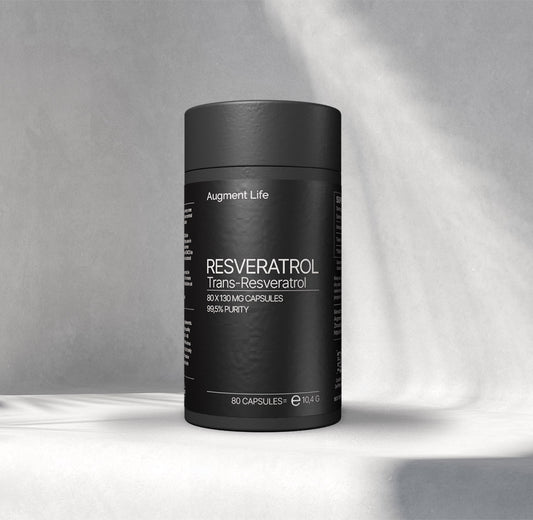
The second naturally occurring form is called trans-resveratrol, which can be absorbed by the body intact, is active and can activate the SIRT1 longevity gene. However it was difficult to standardize and stabilize enough quantities of this form to sell as a dietary supplement until 2005 when Professor David Sinclair synthesized a method to stabilize trans-resveratrol in a lab setting at Harvard University.
In addition to being the only form of resveratrol that has been shown to activate SIRT1, trans-resveratrol can also be found in some foods. Foods rich in this substance include red wine, grapes, peanuts and cocoa beans (chocolate).
Trans-resveratrol vs. Pterostilbene
Pterostilbene is a compound found in blueberries and grapes, but it has a different chemical structure than resveratrol. It is more stable than resveratrol and can be absorbed by the body intact. As an OTC dietary supplement sold on store shelves, trans-resveratrol is also commonly known as pterostilbene, which activists claim is not easily absorbed into the bloodstream and does not activate the SIRT1 longevity gene. But what does science say about that?
Research suggests that both forms of resveratrol are equally effective in combating inflammation and oxidative stress (i.e., damage from free radicals). In fact, one study found that pterostilbene was comparable or even more potent than resveratrol when it came to lowering blood pressure levels in mice with hypertension (high blood pressure). Another study discovered that pterostilbene led to higher levels of antioxidants compared to those produced by drinking red wine.
Differences Between Resveratrol and Trans-resveratrol
Resveratrol and trans-resveratrol are two different compounds. Resveratrol is a compound found in red wine, peanuts and other plants. Trans-resveratrol is the most active form of resveratrol.
Resveratrol is not stable enough to pass through the human digestive system, but it can be converted into trans-resveratrol by intestinal bacteria that live in your gut. When they convert it into trans-resveratrol, they use enzymes that cause some slight modifications to its structure—and this is what makes all the difference!
Because trans-resveratrol has been modified slightly by these enzymes, it's able to activate SIRT1 longevity genes to slow down aging (or even reverse it). Trans-resveratrol also prevents cell death from happening too early—it prevents cells from dying before their time!
Conclusion
To summarize, resveratrol and trans-resveratrol are both stilbenoids that come from plants. The difference is that while resveratrol is not easily absorbed by humans, trans-resveratrol can be taken orally as a supplement and has been shown to activate SIRT1 longevity gene in laboratory studies.