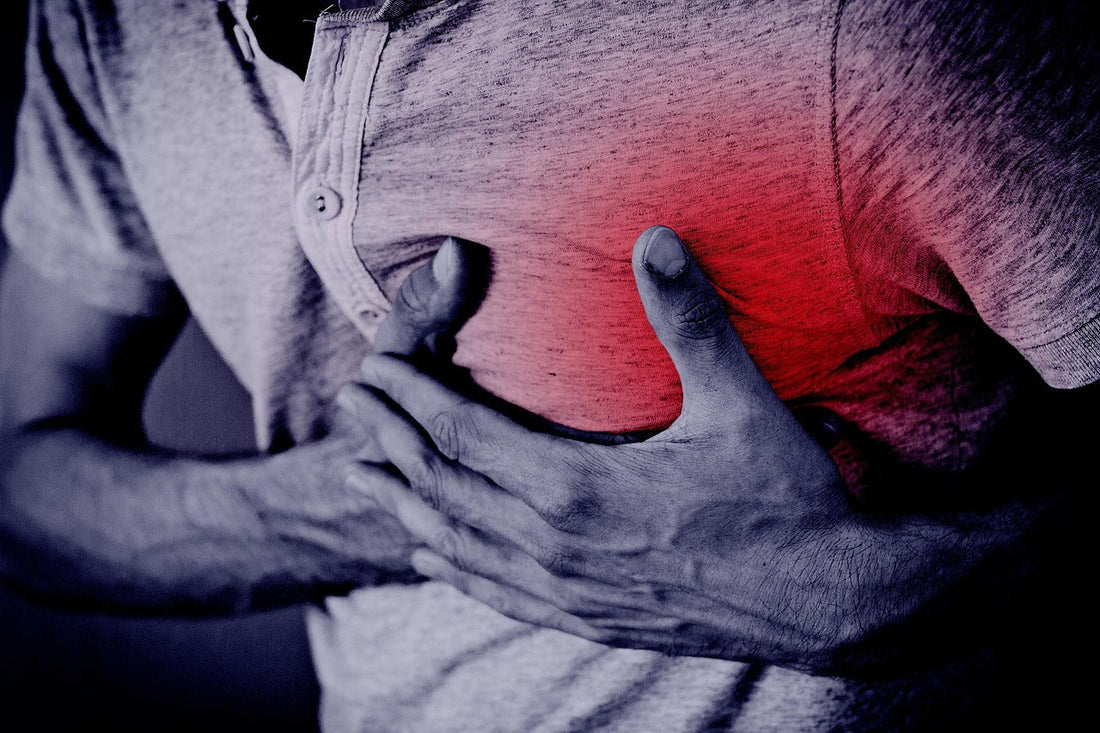

Let’s be honest: heart attacks aren’t just something that happens to older people anymore—they’ve become a real worry for young adults too.
The World Health Organization reports that around 19.8 million people died from cardiovascular diseases in 2022. That’s nearly one in three deaths worldwide. And most of these—about 85%—were due to heart attacks or strokes.
Here’s another eye-opener: in 2021, at least 38% of the 18 million premature deaths under 70 were linked to cardiovascular issues. So yeah, heart attacks aren’t just an “older person’s problem.” They can affect younger people too, making it a serious global health concern.
In this article, we’ll break down what a heart attack actually is, why it happens, and who’s more at risk. Plus, we’ll see how small, everyday changes can really help protect our hearts—and why keeping up with regular check-ups matters more than you might think.
Ready? Let’s dive in and give our hearts some well-deserved attention.
What Is a Heart Attack?
A heart attack, medically known as an “acute myocardial infarction,” can sound complicated—but let’s break it down in simpler terms (1).
In short, a heart attack happens when the blood vessels that carry blood to the heart suddenly and completely get blocked, leaving a part of the heart muscle without oxygen and causing damage. This can disrupt the heart’s normal function and lead to serious complications (1).
Think of your heart as a city and the blood vessels as its roads. If one of these roads gets blocked, oxygen and nutrients can’t reach that area, and the heart muscle starts to suffer. Over time, layers of fat, cholesterol, and calcium build up on the walls of the vessels—this is the most common cause of blockage, and in medical terms, it’s called atherosclerosis (2).
Symptoms of a Heart Attack
The classic signs of a heart attack include (1):
-
Pressure, pain, burning, or tightness in the chest
-
Pain spreading to the left arm, shoulder, back, or jaw
-
Shortness of breath
-
Cold sweat, nausea, dizziness
But remember, not every heart attack starts the same way. Some people experience less obvious symptoms such as extreme fatigue, stomach discomfort, or general weakness. These “silent” symptoms are especially common in women (1).
According to the NHS (National Health Service), the most common symptom of a heart attack is chest pain. However, some people may experience less obvious signs, like nausea, or pain in the back or jaw.
What Should You Do?
If you suspect a heart attack, don’t wait thinking “it might pass.” Every minute counts—go to the emergency room immediately.
What Causes a Heart Attack?
Although a heart attack may seem to occur suddenly, it actually develops over many years. The arteries gradually narrow, their inner walls become damaged, and blood flow becomes more difficult.
So, what are the main factors that accelerate this process?
Unhealthy diet: Foods high in saturated fats, processed products, and sugary drinks increase the buildup of plaque on artery walls. These plaques narrow the arteries and can lead to heart attacks (3).
Smoking: Smoking constricts blood vessels, reduces oxygen transport, and puts extra strain on the heart. People who smoke have a significantly higher risk of heart disease (3).
Physical inactivity: Not exercising regularly raises cholesterol, blood pressure, and stress hormone levels. Regular physical activity plays a vital role in maintaining heart health (4).
Stress: Chronic stress negatively affects heart rhythm and blood pressure. Managing stress can significantly improve heart health (4).
Lack of sleep: Sleeping less than six hours a night increases the risk of heart disease by around 20%. Getting enough sleep is essential for a healthy heart (4).
Excess weight and diabetes: Both disrupt metabolism, damage blood vessel walls, and increase the risk of heart disease (3,4).
A heart attack is often the result of our lifestyle habits.
The good news is that by changing those same habits, we have the power to reduce our risk.
Who Is at Higher Risk?
Some people carry a slightly higher risk of having a heart attack than others. For example (5):
- Those with a family history of heart disease
- People with diabetes or high blood pressure
- Individuals with high cholesterol
- Smokers
- People under chronic stress
- Those who don’t get enough sleep or are overweight.
But don’t worry! If you find yourself in one of these groups, it’s not a warning—it’s actually an opportunity. Now is the perfect time to take action.
Protecting your heart can be surprisingly simple: short walks, regular sleep, and a balanced diet can make a big difference.
Disclaimer:
These supplements are not intended to diagnose, treat, cure, or prevent any disease.
Always consult your healthcare provider before starting new supplements, especially if you take medication or have existing health conditions.
Heart Disease in Men vs. Women
According to the American Heart Association, men tend to experience heart attacks earlier in life, while women’s risk rises sharply after menopause and by their 60s, it equals that of men.
Symptoms can also differ between men and women. Men usually experience the classic “chest pain radiating to the arm,” whereas women often notice subtler signs such as shortness of breath, nausea, jaw or back pain, or unusual fatigue.
That’s why awareness and regular screening are crucial for women, especially after menopause.
How Can We Protect Our Heart and Prevent Heart Attacks?
Did you know that around 80% of heart attacks can be prevented through lifestyle changes? Yes, research from the European Society of Cardiology clearly support this (6).
Even if you have a genetic predisposition, your lifestyle choices can be more powerful than your genes. By adopting healthy habits, it’s possible to protect your heart and even extend your life.
Choose a Heart-Friendly Diet
Mediterranean-style eating: Focus on olive oil, fish, vegetables, fruits, nuts, and whole grains (6).