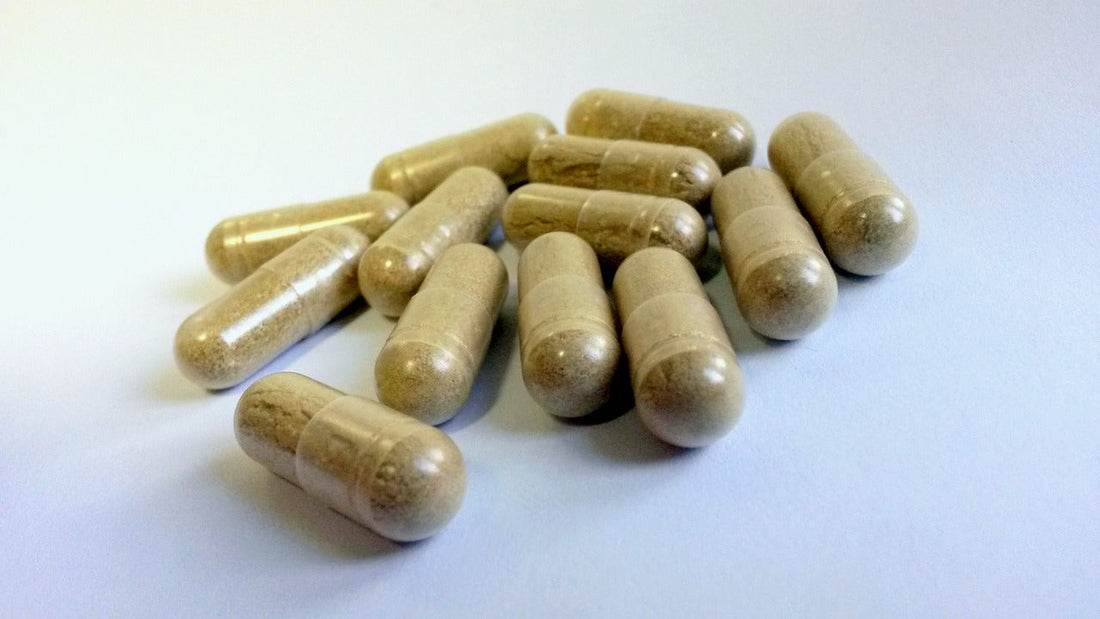
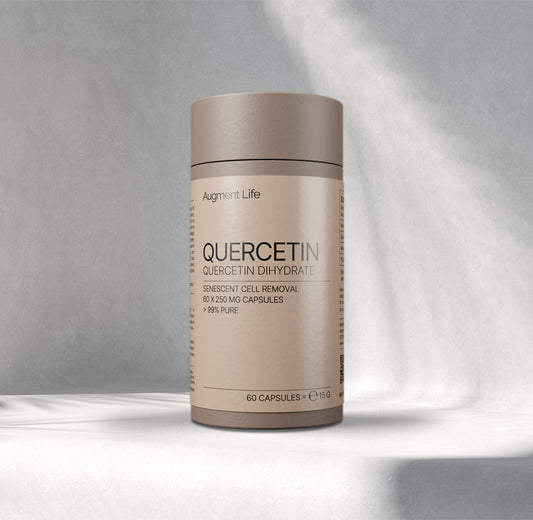
Quercetin is a potent flavonoid, an antioxidant that occurs in fruits, vegetables and grains. Antioxidants are known to combat free radical damage which has been proven to prevent many different forms of chronic diseases.
This article will tell you all you need to know about quercetin supplementation including dosage, potential benefits and safety considerations.
Quercetin - Dosage
The recommended dose of quercetin supplementation may differ based on individual needs as well as health conditions. However, given the current scientific research findings, the general suggested daily dose is 500 mg up to 1,000 mg.1
Best Ways to Take Quercetin
Primarily found in many plant foods such as:
- broccoli,
- onions,
- apples,
- parsley,
- sage tea,
- red wine.2
It actually ranks number one among the common food flavones. This means that by eating a diet rich in fruits and vegetables alone, you can already increase your daily amount of quercetin.
Quercetin supplements, on the other hand, are available in various forms, including capsules, tablets, and powders. However, taking quercetin alone has been shown to be absorbed poorly, that is why most supplements have added compounds in order to maximize its absorption.
Here are some recommendations on how to take quercetin supplements:
-
Take it with meals: Taking quercetin with food can enhance its absorption. Specifically, pairing it with a meal that contains healthy fats have been shown to be beneficial, because quercetin is fat-soluble.3-4
-
Split the doses: Dividing the dosage into smaller doses throughout the day can improve absorption and maintain steady levels in the bloodstream.
-
Take it with Vitamin C: Studies show that Vitamin C may enhance the potency of quercetin. 4-5
Quercetin - Side Effects
In general, taking quercetin is considered safe when taken within recommended dosages for up to 12 weeks. However, higher doses (more than 1000 mg) may cause side effects such as:
- headaches,
- stomach upset,
- tingling sensations.6
Final Words
Quercetin is found in many foods and can be obtained either through diet or supplementation. However, with the latter, it is still beneficial to seek your healthcare practitioner’s advice before starting quercetin supplementation, to ensure it is fitted for your individual health needs.
References:
- National Institute of Diabetes and Digestive and Kidney Diseases. (2020, March 28). Quercetin. LiverTox - NCBI Bookshelf. https://www.ncbi.nlm.nih.gov/books/NBK556474/.
- Cione, Erika & La Torre, Chiara & Cannataro, Roberto & Caroleo, Maria & Plastina, & Gallelli, Luca. (2019). Quercetin, Epigallocatechin Gallate, Curcumin, and Resveratrol: From Dietary Sources to Human MicroRNA Modulation. Molecules. 25. 63. Retrieved July 31, 2024 from https://www.researchgate.net/publication/338142867_Quercetin_Epigallocatechin_Gallate_Curcumin_and_Resveratrol_From_Dietary_Sources_to_Human_MicroRNA_Modulation.
- John-Baptiste, K. (2022, June 6). When to take Quercetin, Berberine and TMG. Retrieved February 7, 2023, from NMNBIO website: https://nmnbio.co.uk/blogs/news/when-to-take-quercetin-berberine-and-tmg.
- Kaşıkcı, M., & Bağdatlıoğlu, N. (2016). Bioavailability of quercetin. Current Research in Nutrition and Food Science Journal, 4(Special-Issue-October), 146–151. https://doi.org/10.12944/crnfsj.4.special-issue-october.20.
- National Center for Biotechnology Information (2024). PubChem Compound Summary for CID 5280343, Quercetin. Retrieved July 31, 2024 from https://pubchem.ncbi.nlm.nih.gov/compound/Quercetin.
- Li, Y., Yao, J., Han, C., Yang, J., Chaudhry, M. T., Wang, S., Liu, H., & Yin, Y. (2016). Quercetin, Inflammation and Immunity. Nutrients, 8(3), 167. https://doi.org/10.3390/nu8030167.