


Glutathione is an antioxidant that maintains the homeostasis of oxidation-reduction (redox) in cells. Reduced glutathione (GSH) is found in almost every standard cell at high concentrations.
Glutathione is essential against reactive oxygen species (ROS). It is important to keep redox balances of the cells, cell cycle regulation, apoptosis, immunological defense, and pathological abnormalities (1, 2). As we can see, glutathione participates in a wide range of biological and biochemical processes, and its deficiency can increase oxidative stress.
Stress conditions caused by glutathione deficiency can lead to various diseases, such as:
- Inflammation,
- Virus infection,
- Sickle cell anemia,
- Cancer,
- Diabetes,
- Heart attack,
- Stroke,
- Liver disease,
- Cystic fibrosis,
- Alzheimer’s,
- and Parkinson’s disease (2).
In this article, we’ll look at the best way to take glutathione and key considerations for its safe and effective use.
Glutathione - Dosage
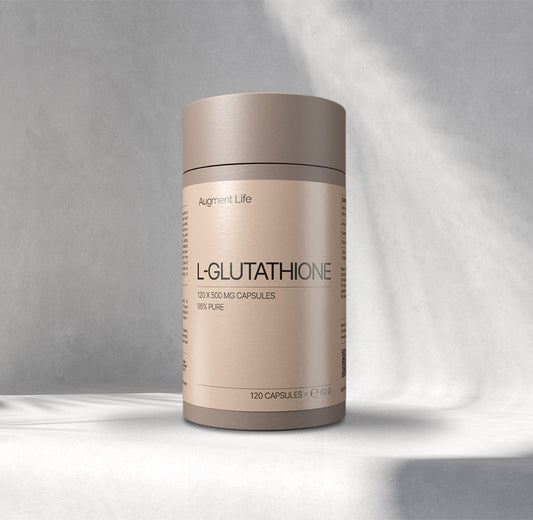
Although the daily intake of glutathione is not officially established, it is most common in supplements at doses between 50 and 500 mg. Clinical research shows significant health-promoting effects at a daily intake of 250 to 1000 mg.

The studies demonstrated that long-term supplementation is responsible for an increase in blood glutathione levels (3). Read more about glutathione supplementation in our article: "How much glutathione should I take?".
Glutathione supplementation is well-tolerated, but long-term high doses should be monitored to prevent potential side effects, such as lower zinc levels. Prolonged high doses may reduce zinc levels, as glutathione influences metal ion balance in the body.
Glutathione: How to use it correctly?
For maximum absorption when using glutathione, it is important to take your oral dose on an empty stomach. Which means at least 30 minutes before a meal or 2 hours after.
Therefore, glutathione is best taken in the morning or between meals, as food (especially protein) can interfere with its absorption.
Water is the most recommended option for consumption, as it does not contain compounds that might hinder its effectiveness. Follow medical guidance for different recommendations.
Common mistakes to avoid when taking glutathione supplements
- Caffeine: it is important to avoid coffee for a few hours before and after taking glutathione, as caffeine can change how your body metabolizes it. Caffeine and tannins can interfere with glutathione absorption, including reducing the effectiveness. Besides that, caffeine can affect liver metabolism and potentially diminish the availability of glutathione (4).
- Alcohol: avoiding alcohol when taking glutathione is recommended because both are processed by the liver. Therefore, alcohol consumption can compromise glutathione metabolism. Besides that, alcohol is known for its production of free radicals that can cause cell and tissue damage and may affect glutathione effectiveness.
- Dairy foods: while there is no strong evidence requiring the avoidance of dairy when taking glutathione, some sources suggest it might interfere with absorption due to its proteins, minerals like calcium, or effects on stomach pH. Additionally, lactose intolerance or casein sensitivity in some individuals could cause digestive discomfort, potentially affecting supplement processing.
Special populations
While glutathione is safe for most individuals, certain populations require additional caution due to unique physiological or medical conditions. Pregnant and breastfeeding individuals should avoid glutathione supplements unless specifically recommended by a healthcare provider due to insufficient safety data.
Additionally, individuals with asthma, cancer, autoimmune diseases, and renal diseases should only use glutathione under medical supervision.



2 comments
¡Hola Luis! Gracias por tu pregunta. El glutatión en cápsulas suele activarse en el cuerpo aproximadamente entre 30 y 60 minutos después de la ingesta. 😊
Me pregunto: si me tomo una cápsula de Glutation de 700 mgr. en cuánto tiempo pasa al torrente Sanquineo