We are often bombarded with notions that we need to supplement our diets with a variety of vitamins, minerals, and specific nutrients. Not only that, but we often hear how we should eat more „lean“ protein, supplement it right after a workout, or put it in a variety of smoothies, oatmeal, and other meals.
But what is the importance of eating protein anyway? What is it and why do we need it? How much do we even need every day and in what form? Where can we find good sources of protein? Keep reading this article and find the answers to all these questions and much much more!
What are proteins?
Proteins are organic molecules made out of amino acids. There are 20 different amino acids and they are almost considered building blocks of the living world. There are billions of combinations in which they can be linked together, ranging from different lengths of proteins to chain patterns and space organization.
Of those 20, there are 9 essential amino acids:

- histidine,
- isoleucine,
- leucine,
- lysine,
- methionine,
- phenylalanine,
- threonine,
- tryptophan,
- and valine.
„Essential“ means that human bodies cannot synthesize them, and need to receive them from other sources, like food or supplements. Protein patterns are encoded in our DNA, meaning that every protein „recipe“ is hidden in our genes. They can be as small as only having 10 amino acids, or as big as containing more than twenty thousand amino acids.
Once fully created, proteins take on many roles in our bodies, ranging from signaling molecules to performing necessary cell functions such as the transport of substrates, controlling cell reproduction, participating in damage control, fighting off infections, and many more. Even the antibodies our body produces during disease are a special protein type. There is not a single molecular process that does not involve proteins in one way or the other. Proteins that are not functional are structural, and they build up our muscles, bones, skin, and cartilage.
Why do we need to eat protein?
Because human bodies cannot produce those 9 essential amino acids, they have to be ingested through food. In simple terms, there is no life without proteins as every bodily function revolves around them. Not eating enough protein will eventually result in severe muscle loss and the development of various diseases.
It is thought that even the diet of early humans consisted of 30% protein, whether it was from animal or vegetarian sources. Food stability was surely an issue in the lives of our ancestors, but they could get enough protein from foraging, as well as from hunting. While hunting for large animals secured a large amount of meat that could last them for days, foraging and scavenging stably brought them protein through vegetables, legumes, small insects, and fish.
The discovery of fire really sparked rapid brain development, as cooked meat could be digested quickly and provide humans with a large amount of calories and nutrients in a short time.
How much protein should we eat?
The European Food Safety Authority has given recommendations on the amounts of protein different age groups should eat daily, given in grams per kilogram of total body mass:
- children (1 – 17 years old) – between 1.14 and 0.83 grams,
- adults (18 – 65 years old) – 0.83 grams,
- elderly (> 65 years old) – 1 gram,
- during pregnancy – 1, 9, and 28 grams added to the usual amount in the 1st, 2nd, and 3rd trimester, respectively,
- during breastfeeding – up to 19 grams more added to the usual amount.
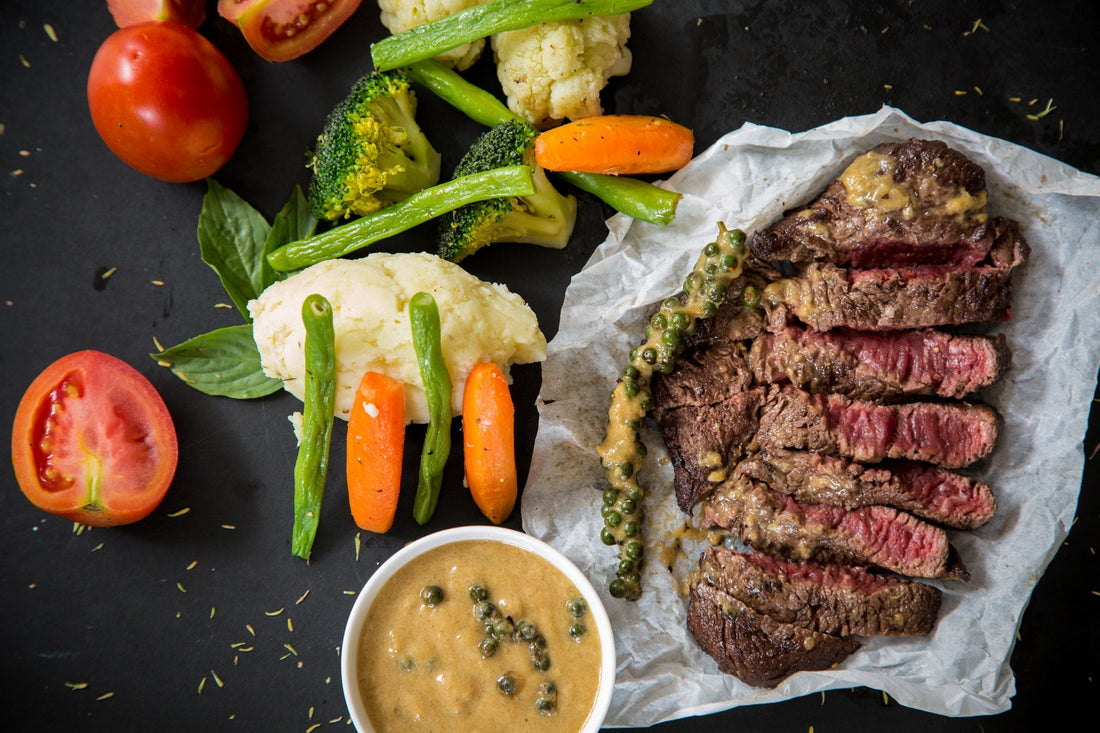
If you feel you cannot eat these amounts of protein through food every day, supplementation is a great way to go. Protein powders can be mixed in milk of any kind, yogurt, smoothies, porridge, cereal, and so on. Look for protein supplements containing the highest purity whey, and don't exceed the recommended amounts.
These are useful guidelines for protein intake, created to follow various life stages, but the actual amount of protein you should eat can be precisely determined in agreement with your doctor and/or nutritionist. Excessive protein intake can especially be dangerous to those with kidney issues.
Lack of protein - consequences
The first symptoms you will notice if you don't consume enough protein are: