Quercetin, a powerful antioxidant found in various fruits, vegetables, and supplements, has gained attention for its potential health benefits. However, determining the right dosage can be a challenge.
In this article, we explore the factors influencing quercetin intake and provide guidance on finding the optimal amount for your health.
Dietary Sources of Quercetin
Incorporating quercetin-rich foods into your diet is a natural way to obtain this antioxidant. However, the exact amount varies based on the type and quantity of food consumed.
Onions are amongst the richest sources of dietary flavonoids you can eat, providing 28.4–48.6 milligrams (mg) of quercetin per 100 g.1
Other food sources of quercetin include fruits and vegetables such as:
- grapes,
- berries,
- cherries,
- broccoli,
- and citrus fruits.2
Recommended Dosage for Supplementation
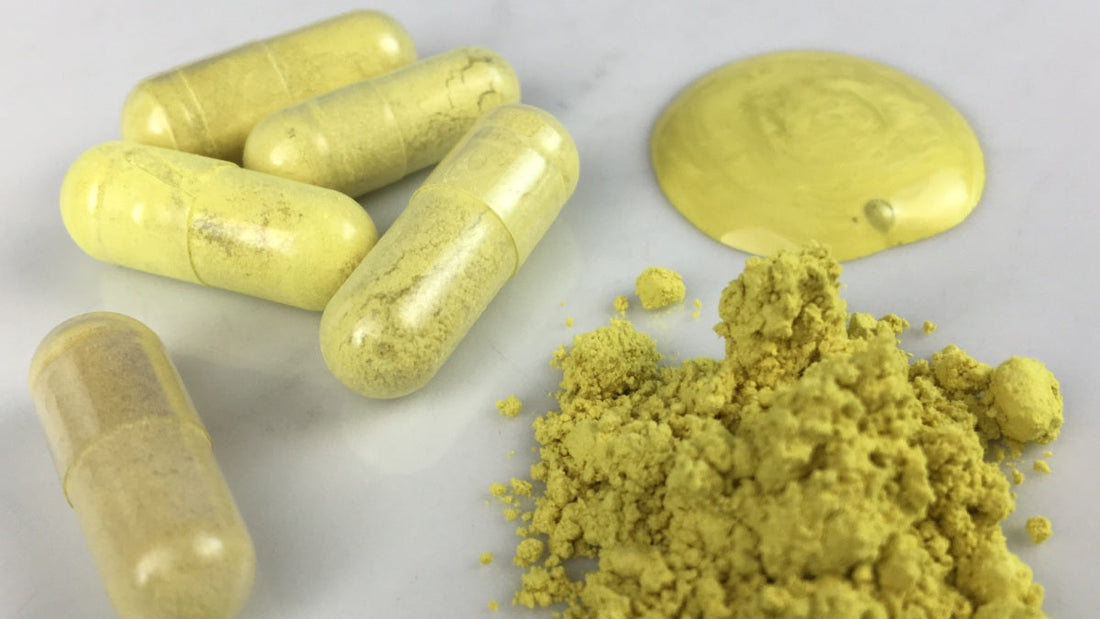
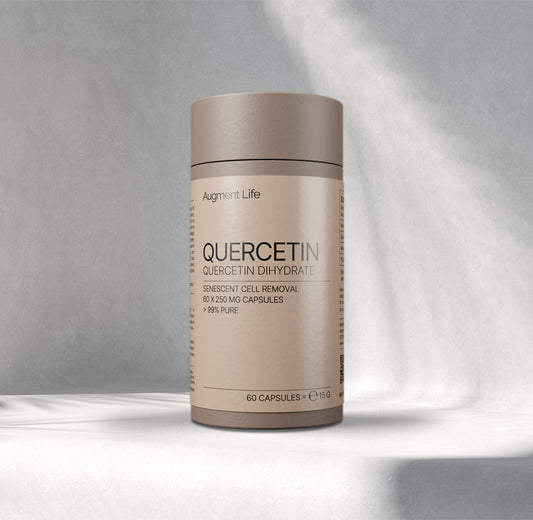
Quercetin supplements are available in various forms, offering a concentrated form of the antioxidants, like capsules and powders.
Recommended dosages typically range from 500 to 1000 mg daily.3 However, quercetin isn’t absorbed well by the body, so supplements often include additional compounds like vitamin C or digestive enzymes (such as bromelain) to help the body absorb it better.
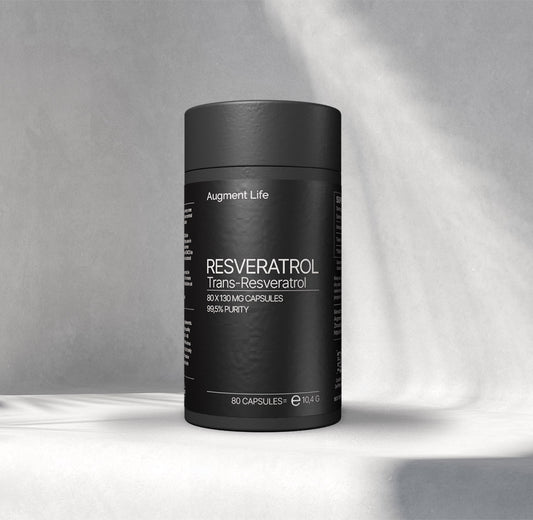
Moreover, some studies suggest that combining quercetin with other flavonoid supplements, such as resveratrol, genistein, and catechin, may positively impact its absorption.4
With medical supervision, quercetin has been safely used up to 1 gram daily for 12 weeks.5 There is not enough evidence to know if it is safe for long-term use (longer than 12 weeks).
Before incorporating quercetin supplements into your routine, consult with a healthcare professional. They can provide personalized advice based on your health status, existing medications, and potential interactions.
Final Words
Taking quercetin requires a nuanced approach. Embracing a diverse, plant-rich diet is a foundational step, complemented by the informed use of supplements guided by individual health goals. Striking the right balance, coupled with professional advice, empowers individuals to harness the potential benefits of quercetin while prioritizing their overall health and well-being.
Remember, moderation, mindfulness, and a personalized approach are the pillars to unlocking the positive impact of this powerful antioxidant.
References:
- Nishimura, M., Muro, T., Kobori, M., & Nishihira, J. (2019). Effect of Daily Ingestion of Quercetin-Rich Onion Powder for 12 Weeks on Visceral Fat: A Randomised, Double-Blind, Placebo-Controlled, Parallel-Group Study. Nutrients, 12(1), 91. https://doi.org/10.3390/nu12010091.
- Anand David, A. V., Arulmoli, R., & Parasuraman, S. (2016). Overviews of Biological Importance of Quercetin: A Bioactive Flavonoid. Pharmacognosy reviews, 10(20), 84–89. https://doi.org/10.4103/0973-7847.194044.
- Jin, F., Nieman, D. C., Shanely, R. A., Knab, A. M., Austin, M. D., & Sha, W. (2010). The variable plasma quercetin response to 12-week quercetin supplementation in humans. European journal of clinical nutrition, 64(7), 692–697. https://doi.org/10.1038/ejcn.2010.91.
- Pignatelli, P., Pulcinelli, F. M., Celestini, A., Lenti, L., Ghiselli, A., Gazzaniga, P. P., & Violi, F. (2000). The flavonoids quercetin and catechin synergistically inhibit platelet function by antagonizing the intracellular production of hydrogen peroxide. The American journal of clinical nutrition, 72(5), 1150–1155. https://doi.org/10.1093/ajcn/72.5.1150.
-
Quercetin: MedlinePlus Supplements. (n.d.).