Tea is a long-standing tradition, well-known, and widely used by ancient peoples for various purposes. Throughout history, different civilizations have embraced tea for medicinal, cultural, and social reasons.
Ancient peoples in China, India, Japan, and other regions used tea for a variety of purposes, such as relieving symptoms of illness, promoting well-being, and even in religious rituals.
Besides that, we also present in this article valuable information about the use of tea and longevity. Keep reading to understand all the benefits of tea consumption!
How tea helps relieve stress, promote relaxation, and other benefits
The combination of L-theanine and caffeine is what gives the tea its effects. Because tea's caffeine is absorbed more gradually than coffee's, it provides a longer-lasting energy boost. Conversely, L-theanine promotes calm, sharpens focus, and even strengthens memory. Additionally, some studies indicate that it might help prevent chronic illnesses (1, 2).
Tea also contains small amounts of GABA (gamma-aminobutyric acid), which is a neurotransmitter that enhances its calming effects and helps reduce anxiety (1, 2).

In addition to its chemical properties, tea's warmth and aroma can help lower stress, improve mindfulness, and promote relaxation. Research indicates that breathing in the scent of black tea might reduce tension while performing cognitive tasks (1, 2).
A study was conducted to examine the effect of matcha green tea on cognitive function and sleep quality. The research evaluated ninety-nine participants, older adults aged 60–85 years, including patients with subjective cognitive decline (2).
For 12 months, the treatment group received 2 grams of matcha daily. The findings of the study indicated that the consumption of matcha green tea enhances certain cognitive functions, such as facial expression recognition and attention, and improves sleep quality. The study suggests matcha may help prevent dementia (2).
Types of tea
There are several types of tea in the world, the most common used by the population is listed below:
- Black Tea: fully oxidized resulting in a dark color and intense flavor. It is made from the leaves of the Camellia sinensis plant. It is the most popular type of tea in the world.
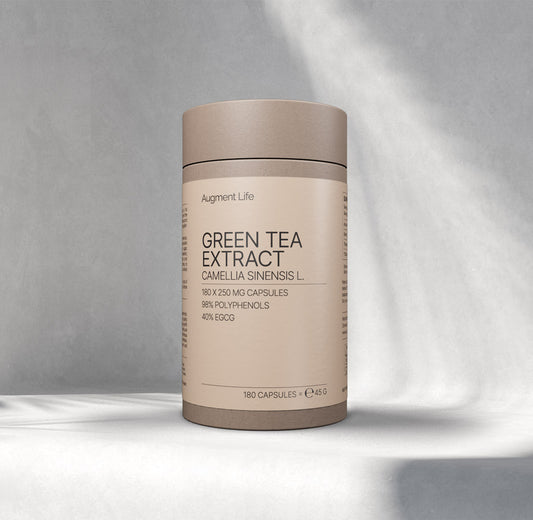
- Green Tea: unoxidized and minimally processed, resulting in a green color and delicate flavor. It is made from the leaves of the Camellia sinensis plant.
- Oolong Tea: Partially fermented tea from the Camellia sinensis plant, it is traditionally Chinese and falls between green and black tea in oxidation.
- White Tea: a plant but is the least processed of all teas. It is made from young tea leaves and buds that are simply withered and dried, preserving their delicate flavors and high antioxidant content. It also comes from the Camellia sinensis plant.
- Herbal Tea: This tea differs from traditional teas because it does not come from the Camellia sinensis plant. Instead, it is made from dried flowers, leaves, seeds, roots, or fruits of various plants, such as Chamomile, Lemon, and Ginger.
The importance of flavonoids present in tea
Since tea is calorie-free and rich in antioxidants, it is an excellent item for a healthy diet. The power of antioxidants comes from a mixture of flavonoids and other bioactive compounds. Flavonoids are powerful plant compounds with antioxidant and anti-inflammatory properties, making them essential for overall health (1).
Tea, especially green tea, is rich in catechins and potent flavonoids with antioxidant and anti-inflammatory properties. These compounds help protect cells from damage, support heart health and may reduce the risk of chronic diseases (1,2).
The main catechins found in tea include:
- Epicatechin (EC) – Supports cardiovascular health and immune function.
- Epigallocatechin (EGC) – Known for its strong antioxidant effects.
- Epicatechin gallate (ECG) – Helps combat inflammation and oxidative stress.
- Epigallocatechin gallate (EGCG) – The most powerful catechin, linked to fat metabolism, and regulates blood sugar levels (1).
Both green and black teas offer catechins, making them a great addition to a healthy routine.