
Are you curious about finding out how you can influence longevity by training? Do you want to be the captain of your ship? Keep reading to find out how you can help your body be in the best shape to achieve longevity.
As Homo sapiens, we have spent 95% of our 300 000 years long history living as nomadic hunter-gatherers, moving constantly to find resources and escape threats, while today, many of us face the challenge of a sedentary lifestyle that contradicts our evolutionary nature.
Let’s explore together how HIIT and Zone 2 workouts can help us return to our natural use of our bodies and influence longevity through training.
High-Intensity Interval Training (HIIT)
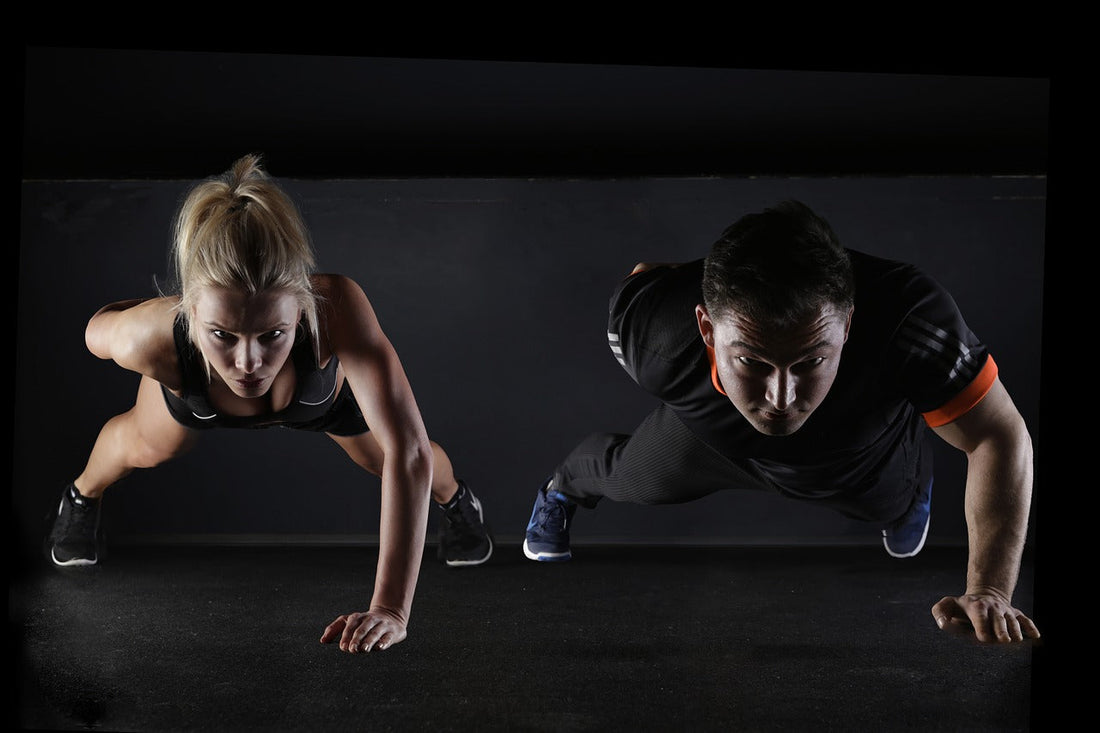
High-intensity interval training (HIIT) is a style of training that utilizes short high-intensity exercise intervals with low-intensity exercise or rest intervals, with variations in the intensity and duration of each segment. The goal of HIIT is to elevate your heart rate briefly, and then lower it again. HIIT is categorized into two main types: ‘aerobic HIIT’, and ‘body weight HIIT’ or ‘resistance HIIT’:

- Aerobic HIIT training uses traditional aerobic exercises such as running, cycling, or jumping a rope.
- Body weight or Resistance HIIT involves bodily movements, weighted objects, bars, or devices for high-repetition resistance activities like calisthenics (exercises that use your body weight as resistance) or weightlifting.
High-intensity interval training (HIIT) gained popularity as a time-efficient alternative to regular exercise training. Usually, one HIIT training lasts from 10 – 30 minutes in duration, therefore it is possibly the most time-efficient way to exercise.
These are the benefits of HIIT:
- It burns more calories and fat - HIIT allows you to burn the same amount of calories in less time or to burn more calories than traditional exercise.
- HIIT increases insulin sensitivity - Current studies show that HIIT is more efficient in increasing insulin sensitivity than training that includes moderate intensity for an extended period (1).
- HIIT enhances heart health - Studies show that HIIT significantly enhances cardiovascular health by improving VO2 max (an indicator of your aerobic fitness level, i.e. the maximum amount of oxygen your body can absorb and use during exercise), reduces blood pressure, and improves the health of blood vessels (2).
- Psychological benefits - HIIT reduces symptoms of anxiety and depression, improves cognitive function, and enhances overall mental health (2).
Zone 2 workout
There are five heart rate zones used to define the intensity of activity, with zone 1 being easy (e.g. walking), and zone 5 being the absolute max you can push to. To do zone 2 training, your heart rate should be 60-70% of your maximum heart rate (MHR).
Here is how to calculate your MHR:
220 – Your Age = MHR
Here is how to calculate your zone 2 heart rate (60 – 70% of your MHR):
Zone 2 lower limit = MHR x 0.60
Zone 2 upper limit = MHR x 0.70
Here is an example of how to calculate it if you are 64 years old:
MHR = 220 – 64 = 156
Zone 2 lower limit = 156 x 0.60 = 93.6
Zone 2 upper limit = 156 x 0.70 = 109.2
To put it into words, you should feel like you are breathing a bit harder than usual, but you can still carry out a conversation without much difficulty. Zone 2 workout involves training at a lower to moderate level of intensity for a longer period and it is often referred to as aerobic training. It can include activities such as cycling, swimming, hiking, or running, as long as you keep your heart rate consistently elevated.
These are the benefits of Zone 2 workouts:
- Faster recovery - The zone 2 workout puts less stress on your musculoskeletal system, so the recovery is faster.
- The Optimal Fat-Burning Zone - Zone 2 is a low-intensity training zone that is almost entirely powered by aerobic metabolism that preferentially burns fat. If fat loss is your goal, a zone 2 workout can help you achieve it.
- Better performance at higher intensities and enhancing endurance - Training done at 60-70% of your maximum heart rate builds a solid fitness base for performing at higher intensities. Training in zone 2 increases aerobic capacity and enhances your endurance.
Is exercising important for longevity?
You can already guess the answer and yes, you are right. Exercising is indeed important for longevity.
Studies show that all-cause mortality is decreased by around 30% to 35% in physically active as compared to inactive subjects (5). Starting as early as in our 20s, 30s, and 40s through proactive engagement in exercise and resistance training we can preserve muscle health and mitigate the effects of sarcopenia, the age-related progressive loss of muscle mass and strength, ultimately promoting greater longevity and quality of life (6).
Additionally, exercise improves lifespan because it improves cardiovascular health and improves body mass index (BMI) (check out this article: How does obesity influence longevity?).
Does HIIT increase lifespan?
Recent studies indicate that HIIT may reduce mortality risk and extend life expectancy by improving cardiovascular and metabolic health(2).
Does HIIT slow down aging?
Good news: HIIT does slow down the clock on aging! While it's beneficial for all age groups, it’s especially beneficial for older adults. A Mayo Clinic study has shown that it slows and reverses some age-related changes at the cellular level (3).
Ribosomes, protein-building factories in our cells, and mitochondria, cells’ powerhouses that create energy-rich molecules called ATP that are used by cells to carry out bodily functions, are organelles that are important for metabolism and aerobic fitness, but tend to deteriorate as people get older.