Is aging a steady process, or does it happen in rapid spurts? Recent research from Stanford Medicine has sparked interest of the longevity community by challenging the traditional view of aging as a linear process. It reveals that our bodies don’t age at a consistent rate. Instead, we go through "aging spurts" where quick changes happen, most notably around the ages of 44 and 60. These findings have sparked a new focus on understanding how we can better manage our health as we age.
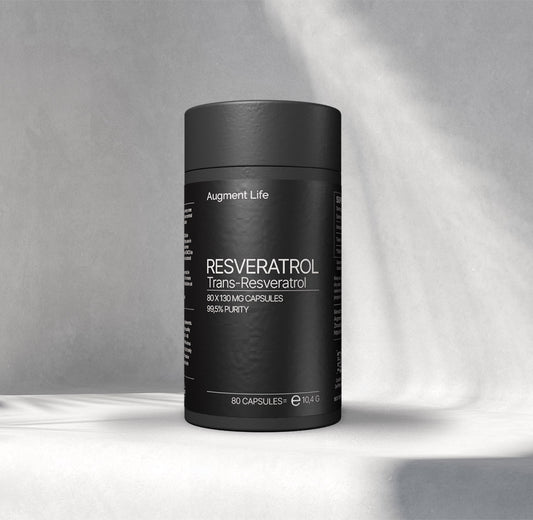
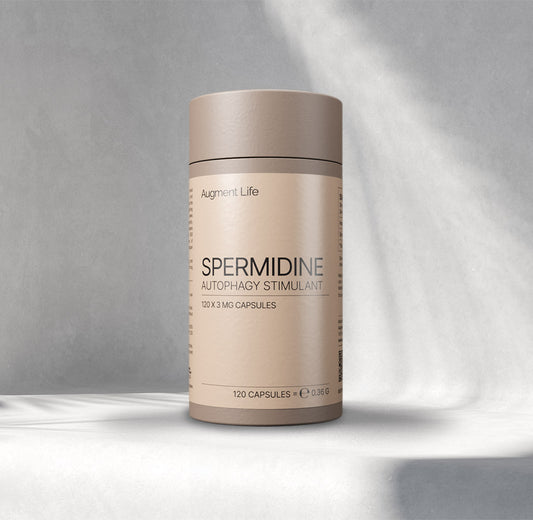
Ready to learn more about what happens during to us as we age and how to optimize your health? Keep reading and find out how to support longevity with lifestyle choices and supplements like resveratrol, berberine, spermidine, and curcumin!
Is aging linear?
Recent Stanford Medicine research on aging made a lot of headlines and noise, not just in the longevity world, but among everyone. After all, we all age, and most of us would like to know how not to. Shen et al. (1) published an interesting clinical study at the beginning of 2024 in Nature, highlighting a claim that was going around for a couple of years now. Namely, it turns out that the aging process is not linear as was traditionally thought.
Linear aging is a concept which refers to aging at a consistent steady rate, which could be predictable. It is defined by some key factors:
- Cumulative damage: Aging is driven by the accumulation of cellular and molecular damage, such as oxidative stress, DNA damage, and loss of tissue regeneration.
- Predictable decline: The rate of aging and functional deterioration remains constant, without sudden accelerations or decelerations.
- Uniformity across lifespan: The body's systems and functions degrade in a relatively uniform manner over time.
However, according to Shen et al., we go through something called aging spurts at specific ages, which induce periods of rapid aging.
When do people age the most?
The 2024 Nature study by the Snyder group followed the molecular patterns of aging of a large group of people over a longer period of time. Participants donated blood, saliva and other bodily samples to the researchers. The study found out that the markers of aging did not change linearly, but were mostly prominent at the ages of 44 and 60. This happened to both men and women, regardless of menopause.
So, what were the big quick changes that happened exactly at those ages and not all the time? The scientists were actually able to pinpoint the significant changes at both ages:
- At the age of 44: increase in markers of cardiovascular disease, lipid and alcohol metabolism changes.
- At the age of 60: increase in markers of immune regulation, oxidative stress, and carbohydrate metabolism, mostly connected to a decrease in kidney function, and an increase in blood glucose levels.
There were also significant changes in the number of fatty and connective tissue proteins, explaining the age-related skin aging and weight gain. This study might explain why people suddenly start feeling older "overnight". If we really aged with a steady rate, we almost wouldn't feel it from day to day.
Aging spurts
Faster aging at 44 and 60 is not an isolated scientific discovery. Even Shen et al. followed up on their previous study which also showed we age non-linearly. Another 2019 study, published in Nature Medicine (2), already showed similar significant changes in aging around the ages of 34, 60, and 78.
Many longevity researchers and physicians, such as David Sinclair and Venki Ramakrishnan, called these discoveries "provocative" and "useful" (3), agreeing that it makes sense in a physiological way and helps understand why we age how we age.