
Finding diets, minerals, and supplements that promote healthy aging and avoid disease is crucial as the world's population ages. Age-related diseases can be major worldwide health concerns, and they can provide extra challenges due to their early onset.
A healthy diet can significantly contribute to increasing longevity. Research has also examined the impact of various foods and nutrients on memory, physical ability, and mood as people age. Understanding these connections can help shape better health advice for older adults who want to stay active, sharp, and independent for as long as possible (1).
For more information regarding diet in healthy aging, please continue reading this article.
Top dietary patterns backed by science: Foods that make you age slower
According to modern scientific research, the following dietary patterns are most strongly associated with promoting healthy aging and slowing down the aging process (1):
- Alternative Healthy Eating Index (AHEI): This dietary pattern was associated with healthy aging in recent long-term studies. Individuals who adhered to the AHEI demonstrated improved cognitive, physical, and mental health as they aged (1). Foods: Whole grains, fruits, vegetables, legumes, nuts, and healthy fats (like olive oil), with limited consumption of red and processed meats, sugary drinks, and trans fats.
- Mediterranean Diet (MedDiet): Known for its heart health and anti-inflammatory benefits, it lowers chronic disease risks and age-related brain decline. Foods: Olive oil, fish, vegetables, fruits, whole grains, legumes, nuts, and moderate red wine.
- Healthful Plant-Based Diet (hPBD): Focusing on whole, nutrient-dense plant foods, this diet supports a healthy gut, reduces inflammation, and promotes longevity. Foods: Fresh fruits and vegetables, whole grains, legumes, nuts, seeds — with minimal to no processed foods or animal products.
- Dietary Approaches to Stop Hypertension (DASH Diet): Designed to manage blood pressure, the DASH diet also aids in preventing chronic illnesses and promotes overall healthy aging. Foods: Similar to the Mediterranean diet, but with an added focus on low-sodium options, low-fat dairy, lean proteins, whole grains, and plenty of fruits and vegetables.
Supplements vs. Diet: how to eat healthy food everyday?
Diet plays a significant role in healthy aging, and supplements can be used to address specific nutrient deficiencies. Supplementation can assist with age-related issues; for instance, supplements may increase energy levels and support cognitive function by potentially delaying memory problems.

Balanced diets, exemplified by the Mediterranean Diet or the Alternative Healthy Eating Index, exhibit the most significant association with positive long-term health outcomes. A nutrient-rich diet should be supplemented, not replaced.
Older individuals may benefit from supplementation with vitamin D, vitamin B12, or omega-3 fatty acids, particularly when these supplements are integrated into an overall balanced diet (3).
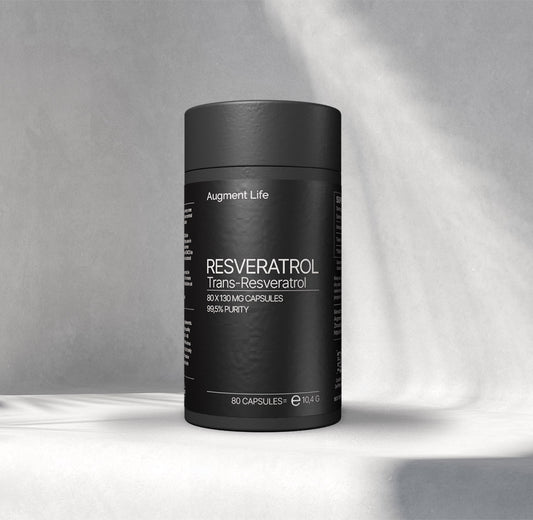
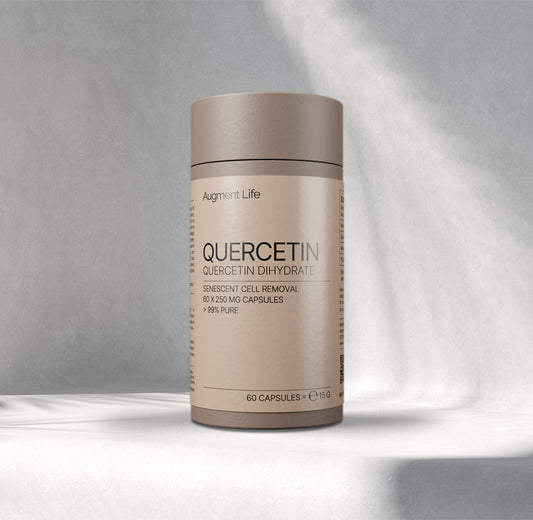
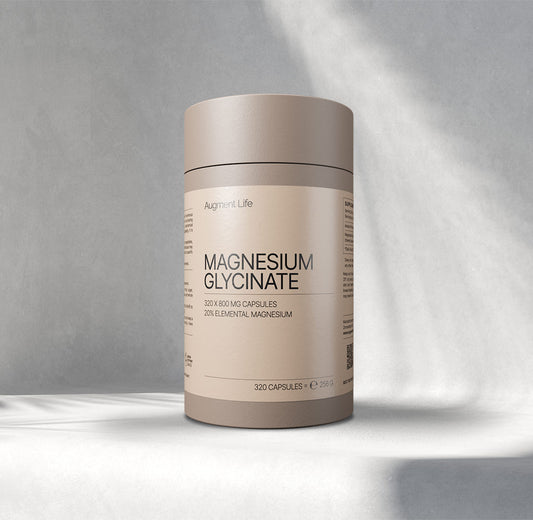
Augment Life offers a wide range of supplements to support longevity. More information about some of them can be found here:
The connection between sarcopenia and healthy aging impact factor
Sarcopenia is the progressive loss of muscle mass, strength, and function that commonly affects older adults, leading to frailty, reduced mobility, and a higher risk of falls and hospitalization.
Nutrition is crucial for preventing and managing sarcopenia. High-quality protein from lean meats, dairy, legumes, and eggs supports muscle maintenance. Vitamin D, antioxidants, and omega-3 fatty acids promote muscle health and reduce inflammation. Early interventions like exercise and maintaining good dietary habits across the lifespan are essential for muscle strength in older age (4).
Managing sarcopenia with diet enhances independence and quality of life and decreases age-related health issues (3).
The importance of including hydration in the diet as we age
Maintaining adequate hydration is essential for healthy aging. Older adults are more susceptible to dehydration due to physiological and cognitive changes. Insufficient fluid intake may elevate the risk of:
- hospitalization,
- cardiovascular complications,
- renal issues,
- infections,
- falls,
- cognitive impairment (2).
Health authorities recommend a daily intake of 1.6 liters for women and 2.0 - 2.5 liters for men. Dehydration may worsen mental and physical performance, impair blood pressure regulation, and raise the risk of chronic diseases like diabetes and heart disease. Dehydration can accelerate neurodegenerative processes (2).