Drinking Water and Dementia

Drinking Water and Dementia

Did you know that almost half of Americans drink less than four cups of water per day? Crazy, right? Turns out, dehydration is a big deal when it comes to aging and health. In fact, studies show that dehydration can speed up brain shrinkage, which is a common characteristic of aging and dementia. MRI scans have even revealed that when we're dehydrated, several parts of our brain can appear to get thinner and lose volume.
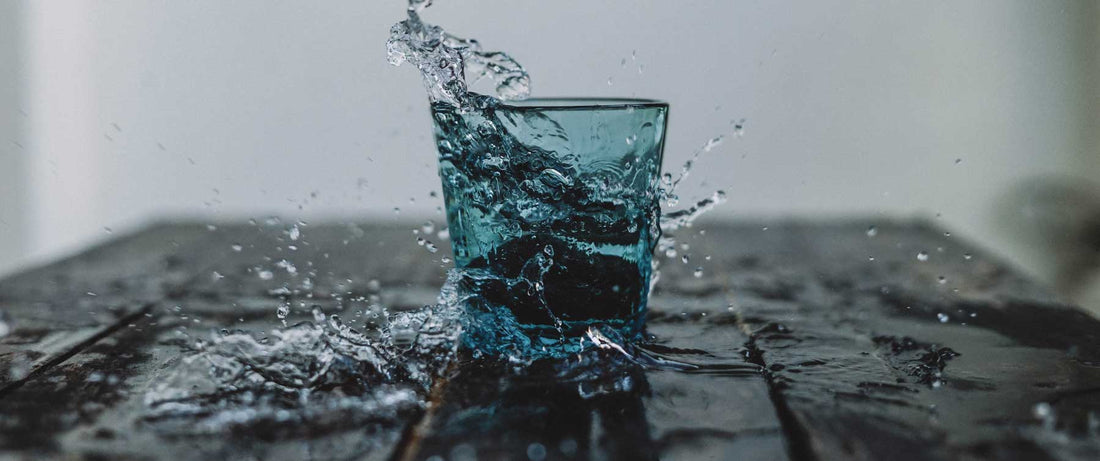
And get this - even a slight decrease in water intake, like 3 or 4 percent, can immediately impact the fluid balance in your brain. This can lead to symptoms like fatigue, headaches, brain fog, mood swings, and a decrease in energy levels.

But don't worry! The good news is that you can reverse the effects of dehydration in just a few days by simply drinking more water. The general rule of thumb is to drink eight 8-ounce glasses of water per day, which equates to about two liters.
Tilbage til blog

Indsend en kommentar

Bemærk, at kommentarer skal godkendes, før de bliver offentliggjort.

Featured collection

  • Do Red Light Therapy Hats Actually Work for Hair Health?

    Do Red Light Therapy Hats Actually Work for Hai...

    Not long ago, red light therapy felt like something out of a sci-fi film. Now it’s showing up everywhere, from science and wellness podcasts to celebrity skincare routines, with influencers...

    Do Red Light Therapy Hats Actually Work for Hai...

    Not long ago, red light therapy felt like something out of a sci-fi film. Now it’s showing up everywhere, from science and wellness podcasts to celebrity skincare routines, with influencers...

  • Why Athletes Need Magnesium

    Why Athletes Need Magnesium

    Muscle cramps, disrupted sleep, lingering soreness, and that flat feeling between sessions are not just signs of hard training. In many cases, they reflect recovery systems struggling to keep up...

    Why Athletes Need Magnesium

    Muscle cramps, disrupted sleep, lingering soreness, and that flat feeling between sessions are not just signs of hard training. In many cases, they reflect recovery systems struggling to keep up...

  • What is Lion’s Mane?

    What is Lion’s Mane?

    Lion's Mane (Hericium erinaceus) is an edible mushroom traditionally used in East Asia and now widely studied for its potential role in brain health and aging. If you've read our...

    What is Lion’s Mane?

    Lion's Mane (Hericium erinaceus) is an edible mushroom traditionally used in East Asia and now widely studied for its potential role in brain health and aging. If you've read our...

1 af 3