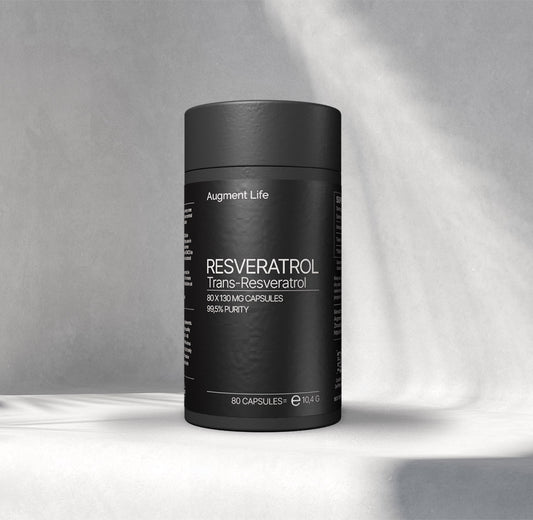
Resveratrol is a polyphenol compound found in various plants, such as grapes, berries, and peanuts. It is considered a fat-soluble supplement because of its chemical properties and its ability to dissolve and be absorbed in fat-based substances.
Resveratrol's solubility is primarily influenced by its molecular structure. It contains both hydrophilic (water-loving) and lipophilic (fat-loving) regions. The hydrophilic part of the molecule allows it to interact with water molecules, while the lipophilic part enables it to dissolve in fats and oils.
When consumed orally, resveratrol undergoes the process of digestion and absorption in the gastrointestinal tract. In the presence of dietary fats, the lipophilic nature of resveratrol promotes its dissolution in the fat-based components of the meal. This enhances its bioavailability and facilitates its absorption into the bloodstream.
Additionally, the fat-soluble nature of resveratrol allows it to be stored in the body's fatty tissues, which can potentially contribute to its longer-lasting effects compared to water-soluble compounds that are readily excreted.
It's important to note that while resveratrol is fat-soluble, its absorption and bioavailability can still be influenced by various factors such as the formulation of the supplement, the presence of other food components, and individual variations in metabolism.
Why Is Resveratrol a Fat-soluble Supplement?

Featured in This Article
-
Quercetin - Capsules - 99% Pure
Regular price From €16,30Regular priceUnit price per€36,00Sale price From €16,30Sale -
Trans-Resveratrol - Capsules - >99.5% Pure with Piperin
Regular price From €26,30Regular priceUnit price per€42,00Sale price From €26,30Sale -
Trans-Resveratrol - Powder - >99.5% Pure
Regular price From €44,60Regular priceUnit price per

Which food components increase and decrease bioavailability of Resveratrol?
1. Fats: As a fat-soluble compound, resveratrol's absorption can be enhanced when consumed with dietary fats. Including a source of healthy fats, such as olive oil or nuts, in a meal containing resveratrol may improve its bioavailability.
2. Piperine (Black Pepper Extract): Piperine, a compound found in black pepper, has been shown to enhance the absorption of various nutrients, including resveratrol. Combining resveratrol with black pepper or consuming them together may increase resveratrol's bioavailability.
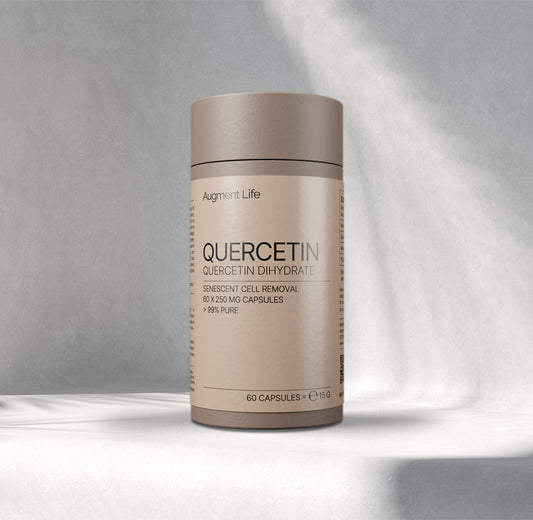
3. Quercetin: Quercetin is a flavonoid compound found in many fruits and vegetables, including onions, apples, and berries. Studies suggest that quercetin can increase the absorption of resveratrol and enhance its bioavailability. Consuming resveratrol-rich foods alongside quercetin-rich foods may have a synergistic effect.
4. Alcohol: Alcohol consumption, particularly red wine, is associated with resveratrol intake. Alcohol can increase the solubility of resveratrol and improve its absorption. However, excessive alcohol consumption can have adverse health effects, so moderation is key.
5. Fiber: Dietary fiber, especially soluble fiber, can bind to resveratrol and reduce its absorption. Consuming resveratrol with high-fiber foods or fiber supplements may decrease its bioavailability.
6. Heat and Cooking Methods: Resveratrol is sensitive to heat, and prolonged cooking or high-temperature processing can degrade it. Opting for raw or lightly cooked sources of resveratrol, such as fresh grapes or berries, may help preserve its content and bioavailability.
7. Other Food Components: Some studies suggest that certain food components, such as proteins and calcium, may interfere with the absorption of resveratrol. However, the extent of their impact on resveratrol bioavailability is still being researched.
It's important to note that the interactions between resveratrol and food components are complex, and more research is needed to fully understand their effects. Additionally, individual variations in metabolism can also influence resveratrol's bioavailability.
What factors in supplement formulation can promote bioavailability?
Several factors in supplement formulation can influence the bioavailability of resveratrol and enhance its absorption. Here are some key considerations:
1. Form of Resveratrol: Resveratrol supplements are available in various forms, including capsules, tablets, liquids, and powders. The choice of formulation can impact the bioavailability. For example, resveratrol in a micronized or nanoemulsion form may have improved solubility and absorption compared to standard formulations.
2. Co-Administration with Absorption Enhancers: Certain compounds can act as absorption enhancers and improve the bioavailability of resveratrol. For instance, piperine (derived from black pepper) has been shown to enhance the absorption of resveratrol. Including absorption enhancers in the supplement formulation can promote its bioavailability.
3. Lipid-Based Delivery Systems: As a fat-soluble compound, resveratrol can benefit from lipid-based delivery systems. Encapsulating resveratrol in liposomes, micelles, or lipid nanoparticles can improve its solubility, stability, and absorption in the gastrointestinal tract, thereby enhancing bioavailability.
4. Combination with Other Polyphenols: Synergistic effects between different polyphenols have been observed, and combining resveratrol with other polyphenols, such as quercetin, may enhance its bioavailability. Formulations that include a combination of polyphenols can potentially improve their overall absorption.
5. Enteric Coating: Resveratrol can be susceptible to degradation in the stomach due to acidic conditions. Enteric coating can protect the supplement from stomach acid and ensure its release in the more alkaline environment of the small intestine, where absorption is optimized.
6. Controlled-Release Formulations: Controlled-release formulations can provide a sustained release of resveratrol over an extended period. This approach can help maintain consistent levels of resveratrol in the body and potentially improve its bioavailability.
7. Quality and Purity: The quality and purity of the resveratrol used in supplements are crucial. Ensuring that the resveratrol is sourced from reputable suppliers and undergoes appropriate testing for purity and potency is important to guarantee its effectiveness and bioavailability.
It's important to note that the bioavailability of resveratrol can also be influenced by individual factors, such as metabolism and gut health. Consulting with a healthcare professional or pharmacist can provide valuable guidance on choosing the right resveratrol supplement and formulation for your specific needs.
Featured in This Article
-
Quercetin - Capsules - 99% Pure
Regular price From €16,30Regular priceUnit price per€36,00Sale price From €16,30Sale -
Trans-Resveratrol - Capsules - >99.5% Pure with Piperin
Regular price From €26,30Regular priceUnit price per€42,00Sale price From €26,30Sale -
Trans-Resveratrol - Powder - >99.5% Pure
Regular price From €44,60Regular priceUnit price per