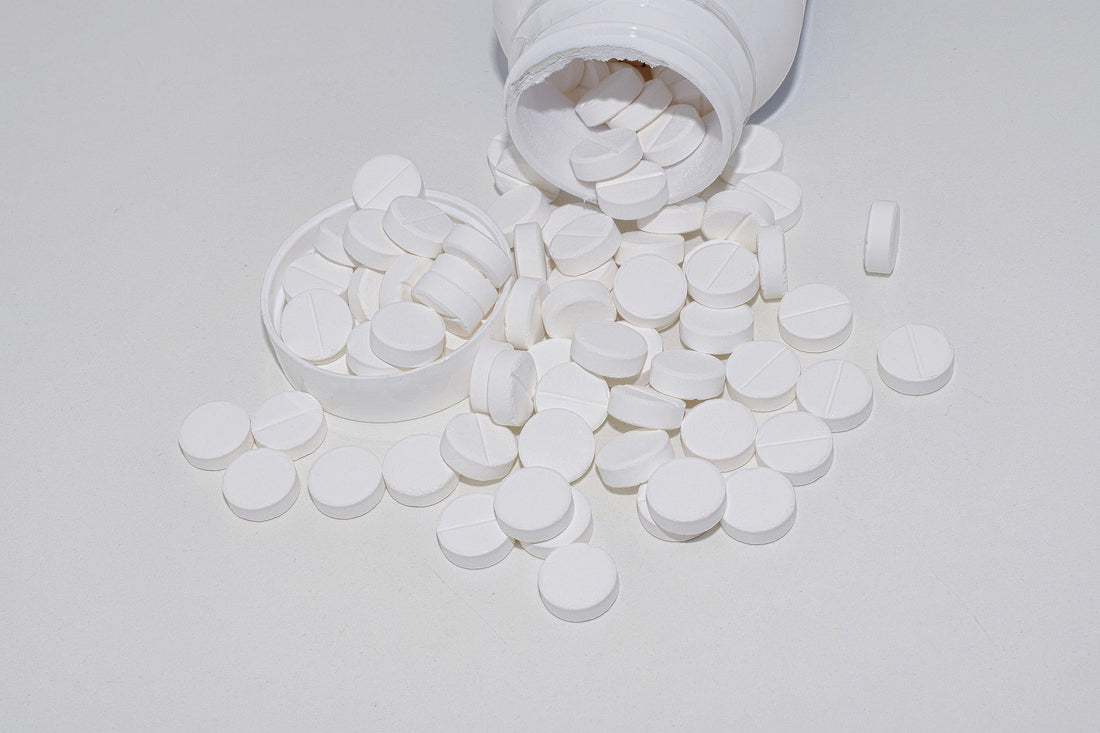
Magnesium glycinate is a popular form of magnesium supplement known for its high bioavailability and gentle effects on the digestive system. If you're considering adding magnesium glycinate to your routine, understanding the optimal dosage, best time to take it, and other key factors can help you maximize its benefits.
What is Magnesium Glycinate?
Magnesium is a mineral crucial for hundreds of bodily functions, including muscle and nerve function, energy production, and blood sugar control. Unfortunately, many people don't get enough magnesium from their diet alone.1
Magnesium glycinate combines magnesium with glycine, an amino acid. This pairing offers several advantages:
-
High Absorption: Glycine helps magnesium bypass the digestive system more efficiently, leading to better absorption compared to other forms like magnesium oxide.2
-
Gentler on the Stomach: Unlike some magnesium forms that can cause digestive discomfort, magnesium glycinate is generally well-tolerated, making it a good choice for those with sensitive stomachs.4
Forms of Magnesium Glycinate
Magnesium glycinate comes in various forms, including:
-
Capsules: These are the most common type and offer a convenient way to take magnesium glycinate.
-
Powder: This form can be easily mixed into water or juice but may have a slightly bitter taste.
-
Liquid: Liquid magnesium glycinate is readily absorbed but may be less convenient and more expensive than other options.
Magnesium Glycinate - Dosage
The recommended dosage of magnesium glycinate depends on several factors, including your age, overall health, and the reason you're taking it. The National Institutes of Health (NIH) recommends the following daily intakes for adults:1
It's important to consult your doctor to determine the appropriate dosage for you, especially if you have any underlying health conditions or are taking medications.
Best Time to Take Magnesium Glycinate
There's no definitive answer on the best time to take magnesium glycinate. However, some people find taking it before bed helpful for promoting relaxation and sleep. Others prefer taking it in the morning to avoid potential digestive side effects. Ultimately, the best time depends on your individual needs and preferences.
Magnesium Glycinate - Side Effects
Drug Interactions
Magnesium can interact with certain medications. Discuss magnesium supplementation with your doctor if you're taking any medications.
Potential Side Effects
While generally well-tolerated, high doses of magnesium glycinate can cause diarrhea. However, a 2013 study5 indicated that magnesium glycinate may be less likely to cause diarrhea than other types of magnesium supplements.
Still it would be beneficial to start with a low dose and gradually increase it as needed.
Pregnancy and Breastfeeding
If you're pregnant or breastfeeding, talk to your doctor before taking magnesium glycinate.
Final Words
By understanding how much, when, and how to take magnesium glycinate, you can unlock its numerous benefits. Remember, consulting a healthcare professional is crucial for personalized guidance and ensuring safe and effective supplementation.
References:
-
Office of Dietary Supplements - magnesium. (n.d.). https://ods.od.nih.gov/factsheets/Magnesium-HealthProfessional/.
-
Jones, J., MD, & O’Brien, M., MD. (2021). Clinics in Sports Medicine. https://www.sciencedirect.com/journal/clinics-in-sports-medicine.
-
Levi, A., & Foxys_Forest_Manufacture/iStock/GettyImages. (2021, October 28). Magnesium: benefits, RDAs, risks, foods and supplements. Livestrong.com. https://www.livestrong.com/article/13728118-magnesium/.
-
Magnesium. (2024, April 12). Examine.com. Retrieved June 5, 2024, from https://examine.com/supplements/magnesium/#updates.
-
DiSilvestro, R. A., Joseph, E., Starkoff, B. E., & Devor, S. T. (2013). Magnesium glycinate supplementation in bariatric surgery patients and physically fit young adults. The FASEB Journal, 27(S1). https://doi.org/10.1096/fasebj.27.1_supplement.lb291.