You have probably heard mitochondria described as the “powerhouse of the cell” so many times that it barely registers anymore. But here is something that gets far less attention: the number of mitochondria inside your cells is not fixed. Your body can manufacture more of them, and it does so in response to very specific biological cues. This process is called mitochondrial biogenesis, and understanding what triggers it turns out to be surprisingly actionable.
Why does it matter? Because mitochondrial capacity shapes a wide slice of your health profile: how much sustained energy you have, how your muscles recover, how efficiently your tissues clear glucose from the bloodstream, and arguably how well your brain resists decline as you get older. Research has been building for decades linking low mitochondrial content to metabolic disease, faster biological ageing, and neurodegeneration (1). The better news is that biogenesis responds to intervention. Several strategies have real clinical backing.
How the body builds new mitochondria
The story begins with a single protein: PGC-1alpha (peroxisome proliferator-activated receptor gamma coactivator 1-alpha). It functions as a master switch for mitochondrial production. When it gets activated, it sets off a coordinated wave of gene expression changes that ultimately leads the cell to build more mitochondria and improve its oxidative output (2). Most of what we know about stimulating biogenesis comes down to finding ways to flip that switch.
Two upstream sensors do most of the flipping. AMPK (AMP-activated protein kinase) is essentially a low-fuel warning light: when ATP levels drop during hard exercise or a fasting period, AMPK fires and activates PGC-1alpha. SIRT1 (Sirtuin 1) works differently. It is a NAD+-dependent enzyme, meaning its activity is tied directly to how much NAD+ is available in the cell. NAD+ declines significantly with age, which is part of why mitochondrial biogenesis tends to slow down in older adults even when everything else stays the same.
Once PGC-1alpha is running, it recruits TFAM (mitochondrial transcription factor A) and a set of nuclear respiratory factors to handle the physical work: replicating mitochondrial DNA and synthesising the structural proteins needed to assemble new mitochondria.
What the evidence says: key stimuli
Exercise
If you are looking for the intervention with the clearest, most replicated human evidence, this is it. Both sustained aerobic training and high-intensity interval training (HIIT) consistently activate AMPK and PGC-1alpha in skeletal muscle. A meta-analysis pulling together 22 randomised controlled trials found that endurance training significantly raised markers of mitochondrial content, and HIIT matched those gains at considerably lower training volumes (3). Even a single session is enough to briefly upregulate PGC-1alpha within a few hours. What turns that transient spike into structural change is doing it regularly, over time.
Caloric restriction and intermittent fasting
Eating less activates AMPK and SIRT1 by the same basic logic as exercise: the cell senses reduced fuel availability and responds accordingly. Intermittent fasting seems to work through similar channels. A widely cited 2019 review in the New England Journal of Medicine found that fasting protocols improve multiple metabolic markers, including mitochondrial function, via cellular stress pathways (4). That said, most of the human trials specifically tracking mitochondrial outcomes under fasting conditions have been fairly short-term. The signal is there; how durable the effects are with sustained practice is still being worked out.
Cold exposure
Cold exposure drives thermogenesis through UCP1 (uncoupling protein 1), and that thermogenic response does appear to upregulate PGC-1alpha, at least in brown adipose tissue (BAT). There is human evidence showing that regular cold acclimation can increase BAT mitochondrial content (5). What remains unclear is whether any of that translates to skeletal muscle or to the kinds of metabolic outcomes that matter day-to-day. Most of the robust biogenesis data here still comes from animal work. Worth watching, but not yet something to build a protocol around.
Dietary compounds
A handful of compounds have been studied for their potential to nudge the PGC-1alpha pathway or shore up NAD+ levels. The evidence varies quite a bit depending on which one you are looking at:
-
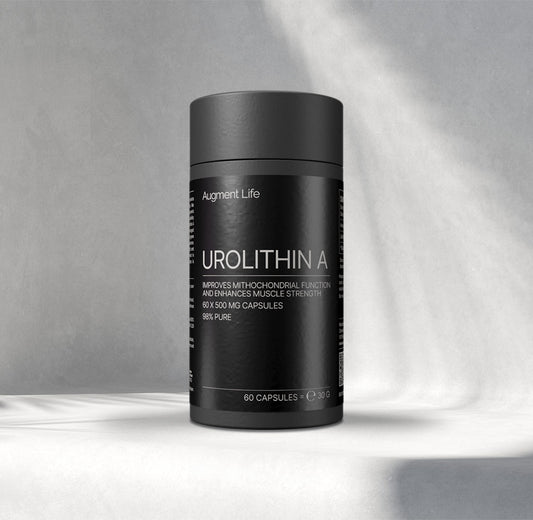
Urolithin A has arguably the strongest human data of the group. It is produced by gut bacteria from ellagitannins found in pomegranates, and its primary action is promoting mitophagy, the process by which damaged mitochondria get cleared out. A well-designed randomised controlled trial in older adults found measurable improvements in muscle endurance alongside changes in mitochondrial gene expression (6). Not a magic bullet, but a meaningful finding.
-
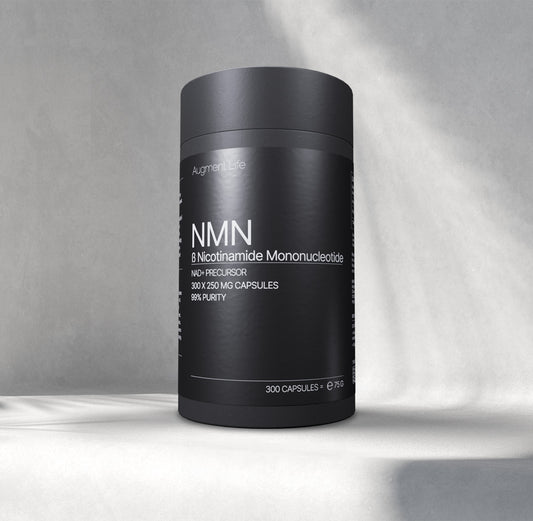
NMN and NR (NAD+ precursors) both reliably raise NAD+ in human tissue, which in theory supports SIRT1 and downstream biogenesis signalling. In practice, the clinical trials so far have shown modest effects at best (7). The biology is sound; the magnitude of benefit in healthy people is still being established.
-
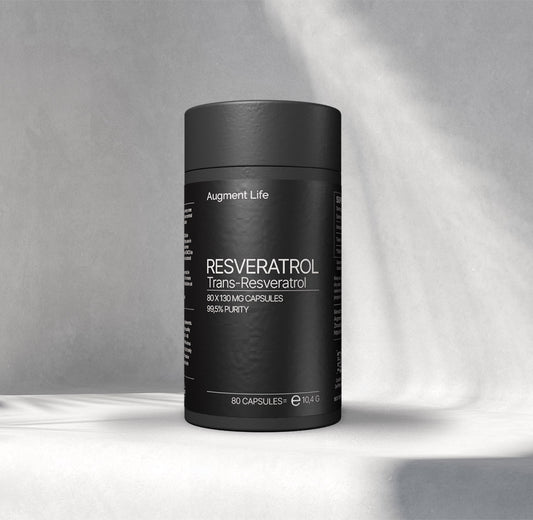
Resveratrol activates SIRT1 in cell and animal models. Human trials have been more mixed. Where effects have shown up, they tend to be in people who are metabolically compromised rather than in healthy, active adults (8).
Sleep
Sleep rarely comes up in conversations about mitochondrial health, which is a bit strange given how central it is to cellular repair broadly. Chronic sleep disruption has been associated with increased oxidative stress and impaired mitochondrial function in experimental models, likely through disruption of circadian clock genes that regulate mitochondrial biogenesis and metabolic signalling. It is one of those variables that is easy to undervalue precisely because it is not a supplement or a specific protocol. But the biology does not care about that distinction.
Important caveats
A few things worth keeping in mind before drawing firm conclusions from any of this. The mechanistic work on mitochondrial biogenesis is rich, but much of it comes from animal or cell culture models, and those findings do not always hold up the same way in humans. Human trials on the dietary compounds especially tend to be short, small and reliant on proxy markers like gene expression rather than direct counts of mitochondrial content. That does not make them useless, but it does mean the confidence intervals are wide.
There is also a bigger-picture point worth making: biogenesis does not operate in isolation. The cell’s mitochondrial health depends on a balance between building new mitochondria, maintaining existing ones, and clearing out damaged ones through mitophagy. Focusing only on biogenesis while ignoring quality control is a bit like hiring new staff while never addressing turnover. The whole system has to work together.
Conclusion: mitochondrial health is trainable
Mitochondrial biogenesis is something the body does naturally, in response to the right demands. Exercise is the clearest trigger we have, and the evidence behind it is hard to argue with. Caloric restriction and fasting work through similar signals and have decent mechanistic support, even if the long-term human data are still thin. Among the supplements, urolithin A stands out as having the most substantive clinical backing so far. NMN and NR are interesting but not quite there yet.
What is striking about this whole picture is how consistent the theme is: nearly every intervention that supports mitochondrial biogenesis does so by asking something of the body. Metabolic stress, not comfort, is the trigger. That is worth sitting with.
Augment Life offers a range of scientifically formulated supplements that align with these mechanisms. You can explore more here:
Literature sources:
- Conley KE, Jubrias SA, Esselman PC. Oxidative capacity and ageing in human muscle. J Physiol. 2000;526(Pt 1):203–210. doi: 10.1111/j.1469-7793.2000.t01-1-00203.x.
- Wu Z, Puigserver P, Andersson U, et al. Mechanisms controlling mitochondrial biogenesis and respiration through the thermogenic coactivator PGC-1. Cell. 1999;98(1):115–124. doi: 10.1016/S0092-8674(00)80611-X.
- Granata C, Jamnick NA, Bishop DJ. Training-induced changes in mitochondrial content and respiratory function in human skeletal muscle. Sports Med. 2018;48(8):1809–1828. doi: 10.1007/s40279-018-0936-y.
- de Cabo R, Mattson MP. Effects of intermittent fasting on health, aging, and disease. N Engl J Med. 2019;381(26):2541–2551. doi: 10.1056/NEJMra1905136.
- Blondin DP, Labbe SM, Tingelstad HC, et al. Increased brown adipose tissue oxidative capacity in cold-acclimated humans. J Clin Endocrinol Metab. 2014;99(3):E438–E446. doi: 10.1210/jc.2013-3901.
- Andreux PA, Blanco-Bose W, Ryu D, et al. The mitophagy activator urolithin A is safe and induces a molecular signature of improved mitochondrial and cellular health in humans. Nat Metab. 2019;1(6):595–603. doi: 10.1038/s42255-019-0073-4.
- Yoshino M, Yoshino J, Kayser BD, et al. Nicotinamide mononucleotide increases muscle insulin sensitivity in prediabetic women. Science. 2021;372(6547):1224–1229. doi: 10.1126/science.abe9985.
- Lagouge M, Argmann C, Gerhart-Hines Z, et al. Resveratrol improves mitochondrial function and protects against metabolic disease by activating SIRT1 and PGC-1alpha. Cell. 2006;127(6):1109–1122. doi: 10.1016/j.cell.2006.11.013.
- Carroll JE, Esquivel S, Goldberg A, et al. Insomnia and telomere length in older adults. Sleep. 2016;39(3):559–564. doi: 10.5665/sleep.5526.