Longevity supplements are compounds sold on the promise of slowing ageing or extending healthy lifespan, whether that's a decades-old sports supplement like creatine, an established nutrient like vitamin D, or a newer compound like urolithin A built specifically around ageing biology. What separates a compound that is genuinely backed by science from one that only sounds like it is how much human evidence exists, and for which outcomes.
Most of the compounds below have real randomised human evidence behind them, though the amount varies enormously by compound.
What Counts as Evidence That Something Extends Life?
Researchers measure what declines with age and predicts the rest of life, such as muscle strength, cardiovascular events and cognitive decline, and below those the biomarkers that move faster and cost less to measure.
That gives a hierarchy for reading any longevity claim. A randomised human trial measuring an outcome people notice is the strongest evidence available. A randomised trial measuring a biomarker is real but provisional. Lifespan extension in yeast, worms or mice is a reason to run human trials.
Is Creatine's Evidence Strong Enough for Longevity?
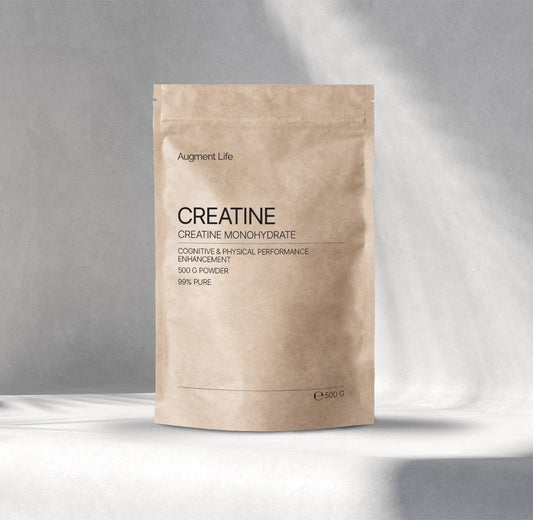
Creatine is the best-evidenced supplement here, with hundreds of human trials. It is the most effective supplement available for increasing high-intensity exercise capacity and lean mass (1), and muscle is among the better predictors of independence in later life. A review of creatine and cognition in older adults found five of six studies reporting a benefit, though quality was mixed (2).
Do Omega-3 Supplements Help You Live Longer?
The less fish you eat, the more room a supplement has to help. VITAL, a trial of nearly 26,000 adults, found that for people who ate less than 1.5 servings of fish a week, a daily omega-3 supplement helped: their risk of a serious heart event dropped by 19%, and heart attacks specifically dropped by 40% (3). That result showed up in one group, not everyone in the trial, so it needs confirming.
In the Framingham Offspring Cohort, a higher Omega-3 Index was associated with lower mortality risk. The gap between the highest and lowest levels was equivalent to roughly 4.7 years of age in the study's risk model, about the same size as the model's gap between smokers and non-smokers (4). This was an observational study of naturally occurring blood levels, not a supplementation trial, so it cannot show that taking omega-3 adds years to life.
Does Vitamin D Prevent Disease, or Just Correct a Deficiency?
Vitamin D's results depend heavily on how long you follow people and how it is dosed.
In VITAL, five years of 2,000 IU a day reduced confirmed autoimmune disease by 22%, 123 cases against 155 on placebo (5). That protection did not last: two years after the trial ended and supplementation stopped, the difference between groups had disappeared, suggesting any protective effect may depend on continued intake rather than a fixed course (6).
Cancer mortality shows a similar pattern. The most comprehensive analysis to date, pooling 14 trials and 104,727 people, found no significant reduction in cancer deaths overall. The benefit appeared only in trials using daily dosing, which cut cancer mortality by 12%; trials using large infrequent doses showed no effect at all (7).
Respiratory infections show the same pattern: an earlier analysis found a 12% reduction that looked strongest with daily dosing in deficient people, but a larger 2025 update found no significant effect overall and no evidence that either factor mattered (8,9).
The compound's ageing-relevant mechanism has only been shown in worms so far. In C. elegans, vitamin D extended median lifespan by 33% and reduced the age-related misfolding of proteins, including human beta-amyloid, the protein implicated in Alzheimer's disease (10).
Is Magnesium's Health Claim Backed by Trials or by Regulation?
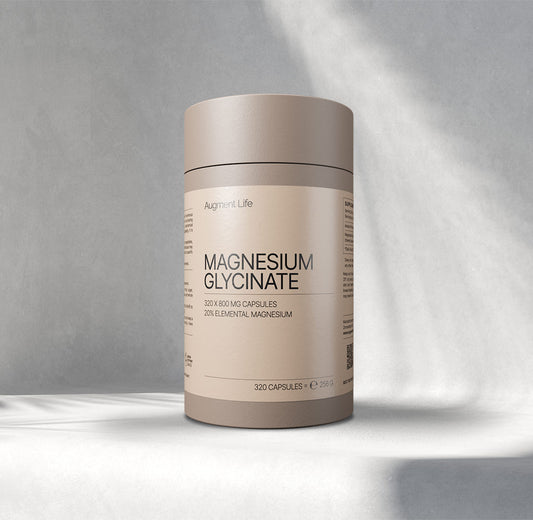
Magnesium's headline claims come from EU regulatory approval rather than a single standout trial. Commission Regulation (EU) No 432/2012 authorises claims that it contributes to normal muscle function, to the normal functioning of the nervous system, and to the reduction of tiredness and fatigue (11).
How Strong Is the Early Evidence for Urolithin A?
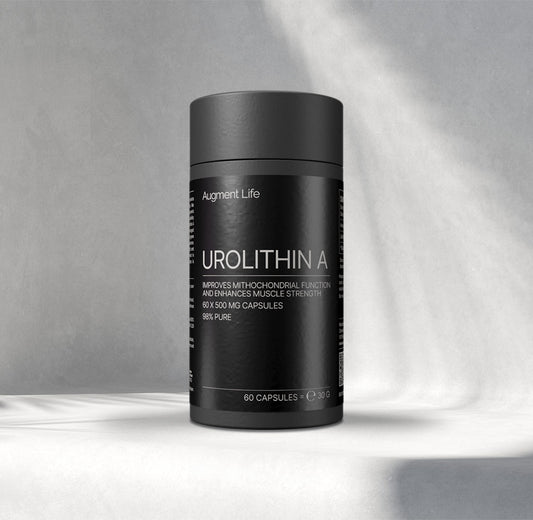
Gut bacteria make urolithin A naturally from compounds in pomegranates, berries and walnuts, but how much any person's gut produces varies widely, and some people are effectively non-producers, which is the practical case for taking it directly rather than relying on diet.
The first human trial established a favourable safety profile at single doses up to 2,000 mg, and found that four weeks of daily dosing at 500 or 1,000 mg changed markers of mitochondrial gene expression in elderly adults (12). A four-month trial in 66 adults aged 65 to 90 missed both primary endpoints, though muscle endurance improved on secondary measures (13). A third trial found middle-aged adults taking 500 or 1,000 mg gained roughly 10 to 12% in leg strength, with the lower dose producing the larger gain (14). These three trials were funded by the company behind the branded ingredient.
A 2026 systematic review pooling five trials and 236 participants found the combined result for six-minute walk distance was not statistically significant and rated the evidence low certainty; strength, endurance and mitochondrial biomarker findings remain exploratory rather than settled (15).
NR Reliably Raises NAD+, but What Does That Achieve?
NR is sold on its ability to raise NAD+, and that specific claim holds up: NAD+ is the coenzyme cells use in energy metabolism and DNA repair, and levels fall with age (16).
In a six-week trial, 1,000 mg a day of NR reliably raised NAD+ levels in middle-aged and older adults and was well tolerated, though the same trial found no improvement in blood glucose control or insulin sensitivity, a null result later replicated in obese adults (17,19).
A separate small trial in 12 aged men found 21 days of NR reduced circulating inflammatory cytokines, though it found no change in muscle mitochondrial function despite raising the muscle NAD+ metabolome (18).
NR holds EU novel food authorisation, which is why it is sold in Germany while some other NAD+ precursors are not (20).
Does Coenzyme Q10 Help Healthy Adults, or Just Heart Failure Patients?
CoQ10 has the strongest disease evidence here, in a specific group. A Cochrane review of eleven trials found it probably reduces all-cause mortality and hospital admissions in heart failure, while judging the overall evidence insufficient to settle routine use (20). There is no comparable trial evidence for healthy adults without heart failure.
Beyond heart failure, a 2022 dose-response meta-analysis of 40 trials and 2,424 people found CoQ10 significantly reduced fasting glucose, fasting insulin, HbA1c and insulin resistance, with the largest effect at 100 to 200 mg a day and in people who already had diabetes (21). An earlier, smaller meta-analysis of seven trials had found no such effect, though it did find a reduction in triglycerides.
Does Curcumin's Trial Data Survive Its Absorption Problem?
Curcumin is one of the most heavily trialled compounds on this list. A review covering 54 meta-analyses found reductions in C-reactive protein in seven of ten, and in fasting blood glucose in fourteen of fifteen (24).
That inflammation marker is the reason curcumin appears on longevity lists at all: chronic inflammation is one of the better-established drivers of age-related disease (25). Plain curcumin is very poorly absorbed, which is why most supplements pair it with piperine, liposomal delivery or another absorption enhancer.
Why Did the Longest Spermidine Trial Find No Effect on Memory?
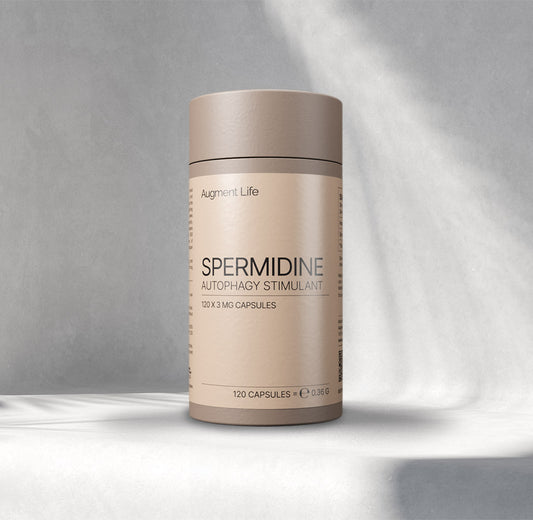
Spermidine has the most striking animal data here: a 2016 study found oral spermidine extended mouse lifespan and reduced cardiac ageing (26).
A year-long trial gave 100 adults aged 60 to 90 either 0.9 mg a day of wheat germ spermidine or placebo and found no significant effect on memory (27). The dose is the thing to notice: roughly a ninth of what an 8 mg capsule provides, so this trial does not tell us what supplement-level intake would do.
Is Quercetin's Evidence Mostly Preclinical Rather Than Human?
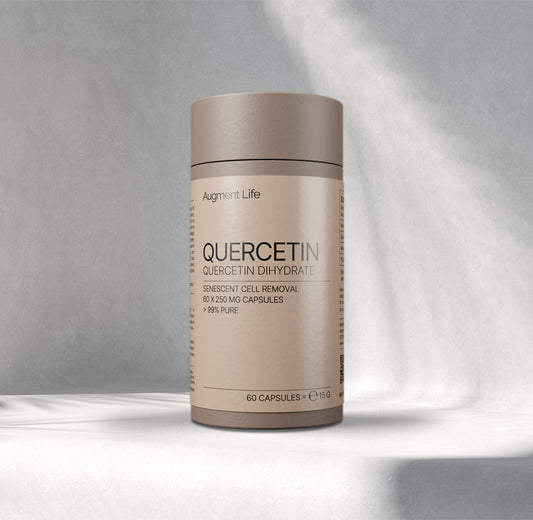
Quercetin is among the most studied plant polyphenols, and most of that study has happened outside humans. In C. elegans, quercetin extended mean lifespan by 15% and increased resistance to oxidative stress (28). A 2023 study found a similar effect in yeast, extending lifespan through Sir2 and glycerol metabolism (29). By the hierarchy above, that is third-category evidence: a reason to run human trials rather than a result to act on.
Can Berberine's Metabolic Evidence Tell Us Anything about Ageing?
Berberine has more randomised human data than most plant compounds, all of it on metabolic measures. A meta-analysis found it reduced fasting blood glucose by 0.5 mmol/L, triglycerides by 0.37 mmol/L and waist circumference by 3.3 cm across placebo-controlled trials, but found no significant effect on blood pressure or HDL cholesterol (30). Metabolic health tracks closely with how well people age, though no trial has tested that link directly. Berberine interacts with a number of medications, so check with your doctor or pharmacist first.
Oral Glutathione Raises Levels, but Does That Change Ageing?
Glutathione is the body's main intracellular antioxidant, though oral supplements are often assumed not to survive digestion intact.
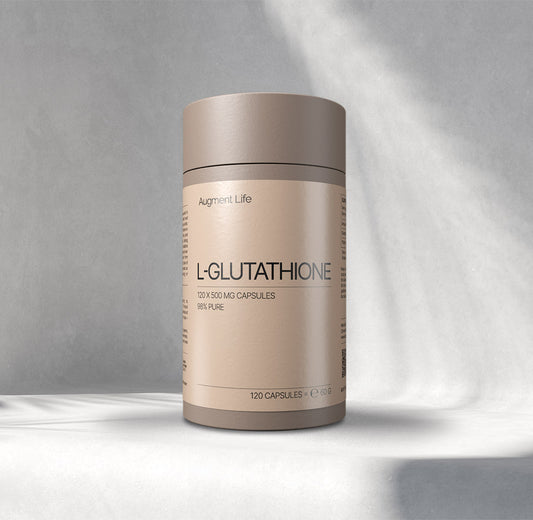
A six-month trial in 54 adults found 250 or 1,000 mg a day raised glutathione in blood, red cells and lymphocytes by 30 to 35% at the higher dose, with natural killer cell activity more than doubling at three months (31). Levels returned to baseline a month after stopping, so it is a maintained intake rather than a one-off correction. Whether higher stores change an ageing outcome is untested.
How Do You Know a Longevity Supplement Contains What It Claims?
By reading the laboratory reports rather than the marketing. A Certificate of Analysis records the specifications tested for a given batch, and a third-party tested finished product has been checked again by a laboratory independent of the brand rather than affiliated with it.
Augment Life produces in Germany, requires a Certificate of Analysis from suppliers before a product is brought online, tests incoming material batches for purity at the BAV Institut , and sends finished products to independent laboratories including JS Hamilton and Eurofins. The reports are published on each product page and on the Third Party Analysis page, each dated.
Explore Augment Life's Longevity Supplements
The evidence above is a review of published research, not a claim that any specific product treats, prevents or cures a disease. The compounds discussed are available in our shop, linked below.
Read More
References
- Kreider RB, Kalman DS, Antonio J, Ziegenfuss TN, Wildman R, Collins R, et al. International Society of Sports Nutrition position stand: safety and efficacy of creatine supplementation in exercise, sport, and medicine. Journal of the International Society of Sports Nutrition. 2017;14:18. https://doi.org/10.1186/s12970-017-0173-z
- Marshall S, Kitzan A, Wright J, Bocicariu L, Nagamatsu LS. Creatine and cognition in aging: a systematic review of evidence in older adults. Nutrition Reviews. 2026;84(2):333-344. https://doi.org/10.1093/nutrit/nuaf135
- Manson JE, Cook NR, Lee IM, Christen W, Bassuk SS, Mora S, et al. Marine n-3 fatty acids and prevention of cardiovascular disease and cancer. New England Journal of Medicine. 2019;380(1):23-32. https://doi.org/10.1056/NEJMoa1811403
- McBurney MI, Tintle NL, Vasan RS, Sala-Vila A, Harris WS. Using an erythrocyte fatty acid fingerprint to predict risk of all-cause mortality: the Framingham Offspring Cohort. American Journal of Clinical Nutrition. 2021;114(4):1447-1454. https://doi.org/10.1093/ajcn/nqab195
- Hahn J, Cook NR, Alexander EK, Friedman S, Walter J, Bubes V, et al. Vitamin D and marine omega 3 fatty acid supplementation and incident autoimmune disease: VITAL randomized controlled trial. BMJ. 2022;376:e066452. https://doi.org/10.1136/bmj-2021-066452
- Costenbader KH, Cook NR, Lee IM, Hahn J, Walter J, Bubes V, et al. Vitamin D and marine n-3 fatty acids for autoimmune disease prevention: outcomes two years after completion of a double-blind, placebo-controlled trial. Arthritis & Rheumatology. 2024;76(6):973-983. https://doi.org/10.1002/art.42811
- Kuznia S, Zhu A, Akutsu T, Buring JE, Camargo CA, Cook NR, et al. Efficacy of vitamin D3 supplementation on cancer mortality: systematic review and individual patient data meta-analysis of randomised controlled trials. Ageing Research Reviews. 2023;87:101923. https://doi.org/10.1016/j.arr.2023.101923
- Martineau AR, Jolliffe DA, Hooper RL, Greenberg L, Aloia JF, Bergman P, et al. Vitamin D supplementation to prevent acute respiratory tract infections: systematic review and meta-analysis of individual participant data. BMJ. 2017;356:i6583. https://doi.org/10.1136/bmj.i6583
- Jolliffe DA, Camargo CA, Sluyter JD, Aglipay M, Aloia JF, Bergman P, et al. Vitamin D supplementation to prevent acute respiratory infections: systematic review and meta-analysis of stratified aggregate data. Lancet Diabetes & Endocrinology. 2025;13(4):307-320. https://doi.org/10.1016/S2213-8587(24)00348-6
- Mark KA, Dumas KJ, Bhaumik D, Schilling B, Davis S, Oron TR, et al. Vitamin D promotes protein homeostasis and longevity via the stress response pathway genes skn-1, ire-1, and xbp-1. Cell Reports. 2016;17(5):1227-1237. https://doi.org/10.1016/j.celrep.2016.09.086
- Commission Regulation (EU) No 432/2012 establishing a list of permitted health claims made on foods, other than those referring to the reduction of disease risk and to children's development and health.
- Andreux PA, Blanco-Bose W, Ryu D, Burdet F, Ibberson M, Aebischer P, Auwerx J, Singh A, Rinsch C. The mitophagy activator urolithin A is safe and induces a molecular signature of improved mitochondrial and cellular health in humans. Nature Metabolism. 2019;1(6):595-603. https://doi.org/10.1038/s42255-019-0073-4
- Liu S, D'Amico D, Shankland E, Bhayana S, Garcia JM, Aebischer P, et al. Effect of urolithin A supplementation on muscle endurance and mitochondrial health in older adults: a randomized clinical trial. JAMA Network Open. 2022;5(1):e2144279. https://doi.org/10.1001/jamanetworkopen.2021.44279
- Singh A, D'Amico D, Andreux PA, Fouassier AM, Blanco-Bose W, Evans M, et al. Urolithin A improves muscle strength, exercise performance, and biomarkers of mitochondrial health in a randomized trial in middle-aged adults. Cell Reports Medicine. 2022;3(5):100633. https://doi.org/10.1016/j.xcrm.2022.100633
- Dao T, Nguyen TT, Gariani K, Kim HJ, Ryu D. Effects of urolithin A supplementation on muscle health outcomes in humans from randomized controlled trials. Frontiers in Nutrition. 2026;13:1834344. https://doi.org/10.3389/fnut.2026.1834344
- Covarrubias AJ, Perrone R, Grozio A, Verdin E. NAD+ metabolism and its roles in cellular processes during ageing. Nature Reviews Molecular Cell Biology. 2021;22(2):119-141. https://doi.org/10.1038/s41580-020-00313-x
- Martens CR, Denman BA, Mazzo MR, Armstrong ML, Reisdorph N, McQueen MB, Chonchol M, Seals DR. Chronic nicotinamide riboside supplementation is well-tolerated and elevates NAD+ in healthy middle-aged and older adults. Nature Communications. 2018;9(1):1286. https://doi.org/10.1038/s41467-018-03421-7
- Elhassan YS, Kluckova K, Fletcher RS, Schmidt MS, Garten A, Doig CL, et al. Nicotinamide riboside augments the aged human skeletal muscle NAD+ metabolome and induces transcriptomic and anti-inflammatory signatures. Cell Reports. 2019;28(7):1717-1728. https://doi.org/10.1016/j.celrep.2019.07.043
- Remie CME, Roumans KHM, Moonen MPB, Connell NJ, Havekes B, Mevenkamp J, et al. Nicotinamide riboside supplementation alters body composition and skeletal muscle acetylcarnitine concentrations in healthy obese humans. American Journal of Clinical Nutrition. 2020;112(2):413-426. https://doi.org/10.1093/ajcn/nqaa072
- EFSA Panel on Nutrition, Novel Foods and Food Allergens. Safety of nicotinamide riboside chloride as a novel food pursuant to Regulation (EU) 2015/2283. EFSA Journal. 2019;17(8):5775. https://doi.org/10.2903/j.efsa.2019.5775
- Al Saadi T, Assaf Y, Farwati M, Turkmani K, Al-Mouakeh A, Shebli B, et al. Coenzyme Q10 for heart failure. Cochrane Database of Systematic Reviews. 2021;2:CD008684. https://doi.org/10.1002/14651858.CD008684.pub3
- Liang Y, Zhao D, Ji Q, Liu M, Dai S, Hou S, Liu Z, Mao Y, Tian Z, Yang Y. Effects of coenzyme Q10 supplementation on glycemic control: a GRADE-assessed systematic review and dose-response meta-analysis of randomized controlled trials. EClinicalMedicine. 2022;52:101602. https://doi.org/10.1016/j.eclinm.2022.101602
- Mantle D, López-Lluch G, Hargreaves IP. Coenzyme Q10 metabolism: a review of unresolved issues. International Journal of Molecular Sciences. 2023;24(3):2585. https://doi.org/10.3390/ijms24032585
- Lee YM, Kim Y. Is curcumin intake really effective for chronic inflammatory metabolic disease? A review of meta-analyses of randomized controlled trials. Nutrients. 2024;16(11):1728. https://doi.org/10.3390/nu16111728
- Franceschi C, Garagnani P, Parini P, Giuliani C, Santoro A. Inflammaging: a new immune-metabolic viewpoint for age-related diseases. Nature Reviews Endocrinology. 2018;14(10):576-590. https://doi.org/10.1038/s41574-018-0059-4
- Eisenberg T, Abdellatif M, Schroeder S, Primessnig U, Stekovic S, Pendl T, et al. Cardioprotection and lifespan extension by the natural polyamine spermidine. Nature Medicine. 2016;22(12):1428-1438. https://doi.org/10.1038/nm.4222
- Schwarz C, Benson GS, Horn N, Wurdack K, Grittner U, Schilling R, et al. Effects of spermidine supplementation on cognition and biomarkers in older adults with subjective cognitive decline: a randomized clinical trial. JAMA Network Open. 2022;5(5):e2213875. https://doi.org/10.1001/jamanetworkopen.2022.13875
- Kampkötter A, Timpel C, Zurawski RF, Ruhl S, Chovolou Y, Proksch P, Wätjen W. Increase of stress resistance and lifespan of Caenorhabditis elegans by quercetin. Comparative Biochemistry and Physiology Part B. 2008;149(2):314-323. https://pubmed.ncbi.nlm.nih.gov/18024103/
- Abbiati F, Garagnani SA, Orlandi I, Vai M. Sir2 and glycerol underlie the pro-longevity effect of quercetin during yeast chronological aging. International Journal of Molecular Sciences. 2023;24(15):12223. https://doi.org/10.3390/ijms241512223
- Liu D, Zhao H, Zhang Y, Hu J, Xu H. Efficacy and safety of berberine on the components of metabolic syndrome: a systematic review and meta-analysis of randomized placebo-controlled trials. Frontiers in Pharmacology. 2025;16:1572197. https://doi.org/10.3389/fphar.2025.1572197
- Richie JP, Nichenametla S, Neidig W, Calcagnotto A, Haley JS, Schell TD, et al. Randomized controlled trial of oral glutathione supplementation on body stores of glutathione. European Journal of Nutrition. 2015;54(2):251-263. https://doi.org/10.1007/s00394-014-0706-z