Het Probleem met hoe Seksuele Gezondheid Meestal wordt Uitgelegd
De meeste adviezen over seksuele gezondheid richten zich nog steeds op prestatie, techniek of frequentie, terwijl de systemen die seksuele functie daadwerkelijk aansturen grotendeels onopgemerkt blijven. Veel van dit advies zoomt in op één of twee onderdelen tegelijk, zoals opwinding, verlangen, orgasme of libido, maar staat zelden stil bij de gelaagde biologische systemen die de seksuele respons daaronder stilletjes vormgeven. Deze geïsoleerde manier van denken slaat vaak de diepere dynamieken over die seksueel welzijn bepalen en leunt in plaats daarvan op snelle, kortetermijnoplossingen in plaats van meer duurzame, holistische benaderingen.
Wat gemakkelijk over het hoofd wordt gezien, is dat veel van de betrokken factoren buiten bewuste controle opereren. Dat helpt verklaren waarom seksuele respons zo sterk kan verschillen tussen individuen en gedurende verschillende levensfasen. Begrijpen waar seksueel verlangen werkelijk vandaan komt, betekent verder kijken dan gedrag en aandacht besteden aan hoe deze systemen op elkaar afgestemd raken, en hoe die afstemming leidt tot een seksuele functie die intuïtief, responsief en bevredigend aanvoelt. Deze coördinatie begint lang voordat er een merkbare reactie optreedt en wordt in de loop van de tijd gevormd door neurale signalering, autonome regulatie en vasculaire functie. Een systeembenadering van deze upstream-processen biedt een duidelijker kader om seksuele gezondheid te begrijpen dan alleen prestatiegerichte verklaringen. In het centrum van dit alles staat het brein, dat zintuiglijke input, aandacht en autonome signalering integreert lang voordat er enige fysieke verandering optreedt.
Seksuele Functie wordt Gecoördineerd door de Hersenen
Hoewel het vaak verkeerd wordt begrepen, ontstaat seksuele opwinding niet in de genitaliën. Ze begint in de hersenen, waar zintuiglijke, emotionele en contextuele informatie wordt geïntegreerd lang voordat er een fysieke reactie optreedt (1). Onderzoek begint duidelijker te maken hoe verschillende neurale netwerken samenwerken om seksuele reacties vorm te geven. Het autonome zenuwstelsel speelt, samen met dopamine- en serotoninesignalering, een rol in hoe we reageren op sociale signalen en waarom opwinding en orgasme zo sterk kunnen variëren (2), (3).
Visuele prikkels en aanraking worden vaak gezien als de triggers van opwinding, maar ze vormen slechts een deel van het geheel. Verwachtingen en interne percepties worden verwerkt in verschillende hersennetwerken, waarbij sommige gebieden betekenis vormgeven en andere motivatie, beloning en drang beïnvloeden (4). Deze signalen worden vervolgens vertaald via het autonome zenuwstelsel, dat onvrijwillige processen reguleert zoals bloeddoorstroming, ontspanning van glad spierweefsel en zwelling van de genitaliën. Deze regulatie gebeurt grotendeels buiten bewuste controle, waardoor seksuele respons sterk gevoelig is voor alledaagse factoren zoals stress, vermoeidheid en concurrerende cognitieve belasting (1).
Zelfs kleine verschillen in hoe neurale en autonome signalen worden verwerkt, kunnen helpen verklaren waarom mensen sterk verschillende uitkomsten ervaren, zelfs onder vergelijkbare omstandigheden. Vanuit dit perspectief wordt duidelijk dat seksuele respons geen eenvoudige reflex op stimulatie is, maar een emergent proces dat wordt gevormd door aandacht, emotioneel welzijn, eerdere ervaringen en de basisresponsiviteit van het zenuwstelsel. Seksuele gezondheid wordt daarom het best benaderd als een fenomeen op systeemniveau, gevormd door collectieve interacties in plaats van door één enkele factor..
Waarom Bloeddoorstroming, en niet Spierkracht, Opwinding Aandrijft
Wanneer mensen denken aan “betere seks”, ligt de focus vaak op sterkere spieren en algemene fysieke conditie, vooral op de bekkenbodem. Seksuele opwinding wordt echter veel minder aangedreven door kracht en veel meer door vasculaire fysiologie. Succesvolle stimulatie vereist het gecoördineerde vermogen van bloedvaten en glad spierweefsel om te reageren op signalen van de hersenen en het autonome zenuwstelsel. Bij zowel mannen als vrouwen activeert seksueel verlangen of stimulatie neurochemische signaalroutes die ontspanning van glad spierweefsel en een toename van de bloeddoorstroming bevorderen, wat leidt tot zwelling van de genitaliën en, bij veel vrouwen, lubricatie.
Bekkenbodemkracht kan vanuit sensorisch en ondersteunend perspectief een rol spelen en kan bijdragen aan comfort en plezier. Toch is spanning niet altijd beter. Aanhoudende aanspanning, of die nu verband houdt met stress, angst of beschermende spierspanning, kan contraproductief worden doordat het ongemak vergroot, het gevoel afvlakt en de ontspanning en circulatie verstoort waar opwinding juist van afhankelijk is (5-7).
Simpel gezegd is seksuele respons afhankelijk van een balans tussen:
- voldoende bloeddoorstroming en vasculaire flexibiliteit,
- ontspanning van glad spierweefsel in plaats van aanhoudende contractie,
- een passende timing en signalering van het zenuwstelsel.
Wanneer spierspanning zwaarder weegt dan ontspanning, raakt deze balans verstoord en werkt dat tegen de fysiologische omstandigheden in die opwinding en plezier ondersteunen.
De bekkenbodem heeft balans nodig, geen constante activatie
Wanneer je naar veel professionals en zogenoemde experts luistert, draait advies over seksuele en bekkengezondheid vaak rond het versterken van de bekkenbodem, met de nadruk op meer spieractivatie. In werkelijkheid zijn normale seksuele en urinatoire functies veel sterker afhankelijk van balans en coördinatie dan van voortdurende contractie.
Klinisch wordt bekkenbodemdysfunctie vaak beschreven als een spectrum met zowel onderactieve (hypotone) als overactieve (hypertone) patronen. In hypertone toestanden kan aanhoudende spierspanning de bloeddoorstroming beperken, pijngevoeligheid verhogen en opwinding verstoren. Dit kan soms symptomen veroorzaken die vaak aan psychologische of hormonale oorzaken worden toegeschreven, zoals:
- verminderd verlangen of verminderde opwinding,
- ongemak of pijn bij penetratie,
- aandrang om vaak of plots te plassen.
Daartegenover kunnen hypotone patronen bijdragen aan bekkeninstabiliteit, verminderde sensatie, moeite om opwinding vast te houden of een verminderde ervaring van seksueel genot.
Omdat deze patronen vaak overlappende symptomen veroorzaken, is een klinische beoordeling belangrijk. Een evaluatie van de bekkenbodem kijkt verder dan alleen spierkracht en beoordeelt onder andere:
- basale spierspanning (overactief vs. onderactief),
- vermogen tot ontspanning en coördinatie,
- pijngevoeligheid en beschermende spierspanning,
- interactie met ademhaling en regulatie van het zenuwstelsel.
Veelvoorkomende patronen zijn onder andere overmatige rustspanning, verminderde kracht of uithoudingsvermogen en slechte coördinatie, waarbij elk patroon een andere aanpak vereist. Door het onderliggende patroon te identificeren, kan de balans worden hersteld in plaats van disfunctie te versterken met algemeen, one-size-fits-all advies (8).
Verlangen en Opwinding Zijn Niet Hetzelfde
Wanneer veel mensen denken aan verlangen en opwinding, beschouwen ze die vaak als dezelfde ervaring. In werkelijkheid weerspiegelen ze twee verschillende processen. Geïnteresseerd, nieuwsgierig of mentaal betrokken zijn, leidt niet automatisch tot een lichamelijke seksuele respons. Verlangen is geworteld in anticipatie en motivatie en wordt gedeeltelijk gestuurd door dopamine-gerelateerde signalering, terwijl opwinding afhangt van het vermogen van het lichaam om in een ontvankelijke autonome toestand te komen. Seksuele respons ontvouwt zich via een dynamisch samenspel tussen excitatie en inhibitie, in plaats van een eenvoudige opbouw van stimulatie. Wanneer inhibitie sterker is dan excitatie, kan fysieke opwinding beperkt blijven, zelfs wanneer het verlangen sterk aanwezig is. Dit helpt verklaren waarom druk, angst en overstimulatie de respons vaak verminderen: ze verhogen zelfmonitoring en fysiologische remming. In deze context weerspiegelen moeilijkheden met opwinding niet noodzakelijk een gebrek aan interesse of aantrekkingskracht, maar eerder een toestand van het zenuwstelsel die niet optimaal afgestemd is op fysieke responsiviteit.
Libido Varieert en dat is normaal
Onderzoek laat zien dat er geen universele basislijn bestaat voor seksueel verlangen. Er is geen specifiek aantal of frequentie dat bepaalt wat als “normaal” wordt beschouwd. Libido verschuift van nature onder invloed van stress, fysieke gezondheid, slaap, hormonen, comfort en levensfase. Het kan van dag tot dag veranderen of zich geleidelijk over langere tijd aanpassen zonder dat dit een teken van achteruitgang hoeft te zijn. Seksueel verlangen is bovendien sterk individueel en wordt gevormd door een combinatie van biologie, persoonlijke ervaringen en omgeving, in plaats van door één vaste interne drijfveer. Daarom kan seksuele disfunctie of een lage libido niet uitsluitend worden gedefinieerd door de hoeveelheid verlangen zelf. Het wordt nauwkeuriger bepaald door de persoonlijke last of spanning die het veroorzaakt, bijvoorbeeld voor iemand zelf of binnen een relatie. Wanneer er geen sprake is van dergelijke stress of problemen, is variatie op zich geen pathologie, maar simpelweg onderdeel van normale menselijke seksuele ontwikkeling en verandering doorheen het leven (9).
De vrouwelijke Seksuele Respons: Anatomie Boven Aannames
Veel van onze aannames over de vrouwelijke seksuele respons komen voort uit vereenvoudigde of algemene ideeën over anatomie. De clitoris is, net als een vingerafdruk, uniek voor elke vrouw. Hoewel ze vaak wordt gezien of gereduceerd tot het uitwendig zichtbare deel, is ze in werkelijkheid een groot intern orgaan met vertakkingen, zwellichamen en zenuwbanen die sterk kunnen verschillen tussen individuen. Sommige clinici beschrijven zelfs verschillende clitorale configuraties, waarbij informele terminologie wordt gebruikt om beter te begrijpen hoe verschillen in structuur, oriëntatie en zenuwdichtheid de ervaring van stimulatie kunnen beïnvloeden (10).
De structuur van de clitoris is belangrijk: zowel interne als externe anatomie bepalen waar en hoe sensatie wordt ervaren.
Er bestaan meerdere orgasmepaden: seksuele respons kan via verschillende routes ontstaan, waaronder sensorische prikkels, neurale signalering, anatomische variatie, bloeddoorstroming en de toestand van het zenuwstelsel.
Communicatie is biologisch relevant: duidelijke communicatie vermindert onzekerheid en stressgerelateerde remming, waardoor het zenuwstelsel ontvankelijk en responsief kan blijven.
Samen genomen helpen anatomie, variatie en communicatie te verklaren waarom er geen eenduidige aanpak bestaat voor hoe seksuele respons zich ontwikkelt (11).
UTI’s, Microbioom Gezondheid en de Prijs van Overcorrectie
Voor veel vrouwen kunnen urineweginfecties (UTI’s) relatief vaak voorkomen, en preventie richt zich vaak op hygiëne. Overmatige hygiëne kan echter juist averechts werken. Hoewel de urinewegen en de vaginale omgeving ongewenste micro-organismen kunnen bevatten of uit balans kunnen raken, bevat het delicate microbioom ook beschermende bacteriën. Deze kunnen worden uitgeput door frequent overmatig wassen, agressieve zepen, vrij verkrijgbare behandelingen (OTC) of routinematig gebruik van antimicrobiële middelen. Wanneer de “goede” bacteriën afnemen, wordt het systeem kwetsbaarder en ontstaat er ruimte voor de “slechte” bacteriën om de overhand te krijgen (12), (13).
Hormonen en Individuele Afwegingen
Als het gaat om seksuele gezondheid, werken hormonen als een soort evenwichtsoefening. Individuele hormonen en fysiologische systemen zijn voortdurend met elkaar in interactie, passen zich aan en verschuiven in de loop van de tijd. Hoewel testosteron vaak wordt gezien als het “mannelijke” hormoon, speelt het een belangrijke rol in seksueel verlangen, motivatie en responsiviteit bij zowel vrouwen als mannen. De effecten ervan worden beïnvloed door factoren zoals basale hormoonspiegels, receptor gevoeligheid, stress en de interactie met oestrogeen, progesteron en cortisol. Dit benadrukt hoe belangrijk context is: uiteenlopende biologische en omgevingsfactoren kunnen testosteronniveaus veranderen en zo de seksuele ervaring beïnvloeden.
Deze variabiliteit is ook belangrijk om in gedachten te houden wanneer men probeert te begrijpen waarom reacties op hormonale anticonceptie zo sterk kunnen verschillen. Door de endogene hormoonsignalering te veranderen, kan hormonale anticonceptie bij sommige mensen de cyclus stabiliseren of symptomen verlichten, terwijl het bij anderen het seksueel verlangen of de opwinding kan verminderen. Deze uitkomsten weerspiegelen geen disfunctie, maar eerder de inherente afwegingen die ontstaan wanneer complexe biologische systemen worden verschoven. Samen onderstrepen deze dynamieken een centrale realiteit van seksuele gezondheid: interventies werken op onderling verbonden systemen, niet op geïsoleerde pathways. Daardoor moeten effectieve benaderingen het volledige plaatje in rekening brengen en erkennen dat er geen universele oplossing bestaat wanneer het gaat om seksuele gezondheid en algemeen welzijn (14).
Leefstijlfactoren die Echt een Verschil Maken
Seksuele functie hangt nauw samen met fundamentele leefstijlfactoren die de gezondheid van het vaatstelsel, de stofwisseling en het zenuwstelsel ondersteunen. De meest impactvolle zijn:
- Cardiovasculaire gezondheid – seksuele opwinding is afhankelijk van een goede bloeddoorstroming en een gezonde endotheelfunctie
- Beweging – ondersteunt de circulatie, hormoonsignalering, stemming en stressregulatie
- Slaap – essentieel voor hormonale balans, herstel van het zenuwstelsel en seksueel verlangen
- Voeding – vormt de metabole basis voor hormoonproductie en vasculaire gezondheid
Deze factoren presteren consequent beter dan supplementen omdat ze de onderliggende systemen aanpakken in plaats van geïsoleerde pathways. Supplementen kunnen gerichte ondersteuning bieden, maar ze kunnen stress, slechte circulatie, slaaptekort of metabole belasting niet volledig compenseren. Het verbeteren van leefstijl kan helpen de fysiologische voorwaarden te creëren die nodig zijn voor seksuele responsiviteit. Daardoor vormen leefstijlinterventies de meest betrouwbare basis voor seksuele gezondheid en welzijn op lange termijn (15).
Supplementen
Hoewel uitgebreide veranderingen in levensstijl vaak effectief zijn, zijn ze in de praktijk niet altijd gemakkelijk vol te houden onder de druk en eisen van het moderne leven. Daardoor gaan veel mensen op zoek naar snellere en meer praktische oplossingen zoals supplementen.
Veelvoorkomende voorbeelden van supplementen voor seksuele gezondheid zijn:
- L-arginine — ondersteuning van de doorbloeding en stikstofmonoxide
- Panax ginseng — erectiele functie en seksuele vitaliteit
- Ashwagandha — stressregulatie en ondersteuning van testosteron-gerelateerde processen
- Saffraan — ondersteuning van seksuele functie en stemming (ook bij vrouwen)
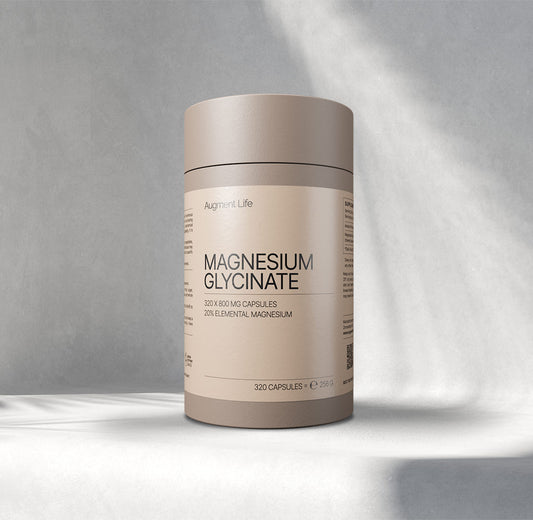
- Magnesiumglycinaat — slaapkwaliteit en ondersteuning van het zenuwstelsel
Over het algemeen is het wetenschappelijke bewijs voor veel supplementen rond seksuele gezondheid gemengd. Supplementen richten zich meestal op één specifieke biologische route of factor, terwijl seksuele functie wordt bepaald door een dynamisch en onderling verbonden systeem. Door die complexiteit bestaat er geen enkele oplossing die voor iedereen werkt. Supplementen kunnen gerichte ondersteuning bieden, maar ze kunnen de bredere invloed van levensstijl op seksuele gezondheid niet volledig compenseren (16), (17).
Seksuele Gezondheid als een Signaal van het Hele Lichaam
Om seksuele functie echt te begrijpen, moeten we het zien als een signaal van het hele lichaam en vaak als een weerspiegeling van de algemene gezondheid, in plaats van als een scorekaart of maatstaf van geschiktheid. Veranderingen in verlangen, opwinding, comfort of respons zijn vaak volkomen normaal en weerspiegelen meestal verschuivingen in het zenuwstelsel, hormonen, doorbloeding, stress of de algemene gezondheid, in plaats van persoonlijk falen. Wanneer symptomen stress, pijn of bezorgdheid veroorzaken, is het belangrijk om ze met nieuwsgierigheid en zorg te benaderen in plaats van met vergelijking of schaamte. Door patronen in slaap, stress, lichamelijke activiteit en medicatie op te volgen en leefstijlfactoren hierop aan te passen, kunnen we beginnen te begrijpen wat deze veranderingen veroorzaakt, in plaats van onszelf te meten aan gemiddelden. Het voeren van geïnformeerde, evidence-based gesprekken en het zoeken naar geïndividualiseerde zorg kan leiden tot een duidelijker en meer compassievol pad naar het begrijpen en verbeteren van onze algehele seksuele gezondheid en welzijn.
Referenties
- Georgiadis JR, Kringelbach ML. The human sexual response cycle: brain imaging evidence linking sex to other pleasures. Prog Neurobiol. 2012;98:49–81.
https://doi.org/10.1016/j.pneurobio.2012.05.004
- Gualtierotti R, Bressi C, Garavaglia B, Brambilla P. Exploring the Impact of Sex and Gender in Brain Function: Implications and Considerations. Adv Ther. 2024;41:4377–4383.
https://doi.org/10.1007/s12325-024-03016-3
- Calabrò RS, Cacciola A, Bruschetta D, Milardi D, Quattrini F, Sciarrone F, et al. Neuroanatomy and function of human sexual behavior: A neglected or unknown issue? Brain Behav. 2019;9:e01389.
https://doi.org/10.1002/brb3.1389
- Pfaus JG, Kippin TE, Coria-Avila GA, Gelez H, Afonso VM, Ismail N, et al. Who, what, where, when (and maybe even why)? How the experience of sexual reward connects sexual desire, preference, and performance. Arch Sex Behav. 2012;41:31–62.
https://doi.org/10.1007/s10508-012-9935-5
- Dean RC, Lue TF. Physiology of penile erection and pathophysiology of erectile dysfunction. Urol Clin North Am. 2005;32:379–395.
https://doi.org/10.1016/j.ucl.2005.08.007
- Woodard TL, Diamond MP. Physiologic measures of sexual function in women: a review. Fertil Steril. 2009;92:19–34.
https://doi.org/10.1016/j.fertnstert.2008.04.041
- Burnett AL. The role of nitric oxide in erectile dysfunction: implications for medical therapy. J Clin Hypertens (Greenwich). 2006;8:53–62.
https://doi.org/10.1111/j.1524-6175.2006.06026.x
- Cosgriff L, Ramanathan A, Iglesia CB. Pelvic Floor Disorders and Sexual Function: A Review. Obstet Gynecol Clin North Am. 2024;51:241–257.
https://doi.org/10.1016/j.ogc.2024.02.001
- Nguyen V, Leonard A, Hsieh T-C. Testosterone and Sexual Desire: A Review of the Evidence. Androgens. 2022;3:andro.2021.0034.
https://doi.org/10.1089/andro.2021.0034
- O'Connell HE, Sanjeevan KV, Hutson JM. Anatomy of the clitoris. J Urol. 2005;174:1189–1195.
https://doi.org/10.1097/01.ju.0000173639.38898.cd
- Basson R. The female sexual response: a different model. J Sex Marital Ther. 2000;26:51–65.
https://doi.org/10.1080/009262300278641
- Fashemi B, Delaney ML, Onderdonk AB, Fichorova RN. Effects of feminine hygiene products on the vaginal mucosal biome. Microb Ecol Health Dis. 2013;24.
https://doi.org/10.3402/mehd.v24i0.19703
- Holdcroft AM, Ireland DJ, Payne MS. The Vaginal Microbiome in Health and Disease—What Role Do Common Intimate Hygiene Practices Play? Microorganisms. 2023;11:298.
https://doi.org/10.3390/microorganisms11020298
- Both S, Lew-Starowicz M, Luria M, Sartorius G, Maseroli E, Tripodi F, et al. Hormonal Contraception and Female Sexuality: Position Statements from the European Society of Sexual Medicine (ESSM). J Sex Med. 2019;16:1681–1695.
https://doi.org/10.1016/j.jsxm.2019.08.005
- Allen MS, Walter EE. Health-Related Lifestyle Factors and Sexual Dysfunction: A Meta-Analysis of Population-Based Research. J Sex Med. 2018;15:458–475.
https://doi.org/10.1016/j.jsxm.2018.02.008
- Petre GC, Francini-Pesenti F, Vitagliano A, Grande G, Ferlin A, Garolla A. Dietary Supplements for Erectile Dysfunction: Analysis of Marketed Products, Systematic Review, Meta-Analysis and Rational Use. Nutrients. 2023;15.
https://doi.org/10.3390/nu15173677
- Sha'ari N, Woon LS, Sidi H, Das S, Bousman CA, Mohamed Saini S. Beneficial effects of natural products on female sexual dysfunction: A systematic review and meta-analysis. Phytomedicine. 2021;93:153760.
https://doi.org/10.1016/j.phymed.2021.153760