The Future of Memory
In 2021, 57 million people had dementia worldwide. Every year, there are nearly 10 million new cases.
Alzheimer’s disease affects approximately 24 million people worldwide. 1 in 10 people aged 65 or older has it. Nearly 1 in 3 people older than 85 has Alzheimer’s disease.
As the population continues to age, it is projected that the prevalence of Alzheimer’s dementia will triple in the next 30 years (1).
Although age is the strongest known risk factor for dementia, it is not an inevitable consequence of biological ageing. Additional risk factors include depression, social isolation, low educational attainment, cognitive inactivity, and air pollution.
There is a lot of evidence that lifestyle choices can affect our risk of developing Alzheimer’s disease and other types of dementia. It is estimated that up to 40% of dementia cases may be preventable through dietary and lifestyle changes.
People can reduce their risk of cognitive decline and dementia by:
- being physically active,
- not smoking,
- avoiding harmful use of alcohol,
- controlling their weight,
- eating a healthy diet,
- maintaining healthy blood pressure, cholesterol, and blood sugar levels.
A recent study published in July 2025 found that a combination of behaviour changes, including exercise, a healthier diet, brain games, and more social connections, significantly improved cognitive function among those at risk for dementia (2).
At Augment, we believe longevity is not just about adding years, but about keeping the mind clear, creative, and connected throughout them. This is where the new science of brain longevity begins.
What Is Alzheimer’s, Really?
Alzheimer’s disease is not a normal part of aging. It’s the result of complex changes in the brain that start years before symptoms appear and lead to the loss of brain cells and their connections.
Alzheimer’s disease is the biological process that begins with the appearance of a buildup of proteins in the form of amyloid plaques and neurofibrillary tangles in the brain. This causes brain cells to die over time and the brain to shrink.
It is a brain disorder that slowly destroys memory and thinking skills and, eventually, the ability to carry out the simplest tasks.
The symptoms of Alzheimer’s disease — changes in thinking, remembering, reasoning, and behaviour — are known as dementia. That’s why Alzheimer’s is sometimes referred to as dementia.
Alzheimer’s disease is the most common cause of dementia in older adults.
Dementia is the result of changes in certain brain regions that cause neurons (nerve cells) and their connections to stop working properly. It is the loss of the ability to think, remember, and reason to levels that affect daily life and activities.
Alzheimer’s disease is the most common type of dementia, but it's not the only one. Other common forms of dementia include vascular dementia and Lewy body dementia (LBD).
Vascular dementia is a diagnosis of dementia in people who have vascular changes in the brain, such as a stroke or injury to small vessels carrying blood to the brain.
Lewy body dementia (LBD) is characterized by symptoms that include visual hallucinations and problems with thinking, movement, behaviour, and mood. People with LBD have abnormal deposits of a protein called Lewy bodies in the brain.
Heart, Metabolism, Immunity: Keys to Brain Health
Brain health in Alzheimer’s disease is strongly linked to heart, metabolic, and immune health.
Heart disease is a major risk factor for both Alzheimer’s and other forms of dementia; it can directly cause brain dysfunction early on and may even triple the amount of Alzheimer’s proteins in the brain. Managing heart health starting from an early age is critical for protecting brain health and reducing the risk of memory and thinking problems later in life.
Metabolic health also plays a critical role. Individuals with poor metabolic health are more likely to have memory and thinking problems and worse brain health, and this may contribute to the future development of dementia. Maintaining healthy metabolic function is thus an important strategy for lowering the risk of dementia and related neurological disorders.
The immune system, responsible for protecting the body from harm, is equally vital for brain health. Its malfunction can contribute to the development of dementia and neurodegenerative conditions. Conditions such as diabetes, obesity, and cardiovascular disease can trigger systemic inflammation that may compromise the blood–brain barrier – the brain’s protective shield – and contribute to neurodegeneration.
Protein Buildup and Early Brain Changes in Alzheimer’s
Changes in the brain begin 10 to 20 years before any clear symptoms appear.
Alzheimer’s dementia is characterised by abnormal accumulations of proteins — beta-amyloid, which forms plaques around brain cells, and tau, which forms tangles within them — as well as a progressive loss of connections between nerve cells.
Nearly two decades before the first clinical signs emerge, inflammatory processes can already be detected in the brain, and an increase in mitochondrial metabolism — the activity of the cell’s powerhouses — is considered one of the earliest markers of the disease.
Over time, different areas of the brain shrink. The first areas usually affected are responsible for memories.
This silent window is where prevention matters most. The earlier we act, the more we can protect the brain’s ability to repair, adapt, and stay sharp.
Diagnosing Alzheimer’s Disease
Before the early 2000s, the only sure way to know whether a person had Alzheimer’s disease was through an autopsy, a procedure that is performed after death.
Thanks to advances in research, lab and imaging tests are now available to help a doctor or researcher see biological signs of the disease, or biomarkers, in a living person.
Also, the use of artificial intelligence (AI) represents a significant step forward in the early detection and prediction of Alzheimer’s disease progression.
Doctors use diagnostic tools combined with medical history and other information, including neurological exams, cognitive and functional assessments, brain imaging (MRI, CT, PET), and cerebrospinal fluid or blood tests, to make an accurate diagnosis.
There is no single test that can determine if a person is living with Alzheimer’s or another dementia.
Early detection is not about predicting decline; it’s about protecting potential.
Blood-Based Biomarkers
Biomarkers can indicate disease-related changes in the body before physical symptoms become noticeable or structural changes in the brain become visible on other tests.
In May 2025, the Food and Drug Administration (FDA) approved the first blood test for diagnosing Alzheimer’s disease, the Lumipulse blood test. The test calculates a ratio of two proteins that are each a hallmark of Alzheimer’s disease: beta-amyloid and tau, and is less invasive and easier to perform than the brain scans and spinal taps currently used to diagnose the illness.
It can suggest the presence of Alzheimer’s, but additional tests, such as PET brain scans or spinal taps, may be needed to help confirm a diagnosis.
C2N Test Combining APOE Variants and Amyloid Ratios for Early Screening
C₂N Diagnostics introduced the PrecivityAD2™ blood test that has an accuracy of 90% in identifying Alzheimer’s in patients with memory loss, at a pre-defined, single binary cutoff compared to cerebrospinal fluid (CSF) analysis or amyloid PET analysis.
The PrecivityAD2 test uses high-resolution mass spectrometry to precisely measure proteins in the blood that indicate the likelihood of amyloid plaques in the brain, a pathological hallmark of Alzheimer’s. This blood test measures the amyloid beta (Abeta) 42/40 ratio and apolipoprotein E isoforms E2, E3, and E4, for early Alzheimer’s screening.
AI and Digital Diagnostics: Analyzing Speech, Movement, and Cognitive Patterns
By leveraging speech analysis and machine learning, AI offers the potential for more accessible and efficient cognitive impairment screening.
Through advanced analysis of speech, behaviour, health records, and neuroimaging, AI systems are capable of identifying signs of cognitive decline long before traditional assessments can. Smart devices can track a user’s motor activity, heart rate variability, sleep patterns, and other physiological signals that correlate with cognitive health. AI algorithms can integrate these data points to identify deviations from normal behaviour (3).
Recent advancements in machine learning and deep learning models have shown significant potential for detecting Alzheimer’s disease using a patient’s speech signals, as subtle changes in speech patterns, such as reduced fluency, pronunciation difficulties, and cognitive decline, can serve as early indicators of the disease, offering a non-invasive and cost-effective method for early diagnosis (4).
While using digital information is more complex than traditional tests for a disease, such as a blood test, it offers the potential for much earlier detection of the disease compared to long-used testing methods.
We are entering an era where understanding your brain’s risk can lead to proactive protection, not fear.
Genes Are Not Destiny
Human cells contain the instructions needed for a cell to do its job. These instructions are made up of DNA, which is packed tightly into structures called chromosomes.
Each chromosome has thousands of segments called genes. Genes are passed down from a person’s biological parents.
The most common gene associated with varying risk of developing Alzheimer’s disease is a risk gene called apolipoprotein E, also known as APOE.
The APOE gene gives your cells instructions to make apolipoprotein E. This protein merges with fats (lipids) to form lipoprotein molecules. Lipoproteins carry cholesterol and other fats through your bloodstream. Recent studies suggest that problems with brain cells’ ability to process fats, or lipids, may play a key role in Alzheimer’s and related diseases.
There are three types (alleles) of the APOE gene:
- APOE-ε2 (APOE2) is the least common form of the gene. It reduces the risk of Alzheimer’s and may provide some protection against the disease. Roughly 5% to 10% of people have this allele.
- APOE-ε3 (APOE3) is the most common allele, believed to have a neutral effect on the disease — neither decreasing nor increasing risk of Alzheimer’s.
- APOE-ε4 (APOE4) increases risk for Alzheimer’s and is associated with an earlier age of disease onset in certain populations and having more severe Alzheimer’s disease. About 15% to 25% of people have this allele, and 2% to 5% carry two copies.
Each person inherits two copies of the APOE gene, one from the mother and one from the father.
Having at least one APOE-ε4 variant doubles or triples the risk of getting Alzheimer’s disease. Having two APOE-ε4 variants increases that risk even more. Someone with two APOE-ε4 variants is 8 to 12 times more likely to develop Alzheimer’s disease.
APOE-ε4 is the strongest risk factor gene for Alzheimer’s disease, although inheriting APOE-ε4 does not mean a person will definitely develop the disease. Many factors go into health risk, and genetics is only one of those factors.
While our genetic code remains the same, we can influence the expression of our genes through lifestyle choices.
A 2018 study revealed that healthy lifestyle changes may be beneficial for cognition in older at-risk individuals even in the presence of APOE-related genetic susceptibility to dementia. The study also emphasizes the importance of early prevention strategies that target multiple modifiable risk factors simultaneously (5).
Key modifiable factors that may help “turn down” genetic risk include:
- engaging in regular physical activity,
- maintaining balanced metabolic health,
- ensuring quality sleep,
- following an anti-inflammatory diet.
Your genes may set the baseline, but your daily choices write the trajectory.
Science of Prevention
A 2020 study that included data from nearly 3,000 research participants showed that combining more healthy lifestyle behaviours was associated with substantially lower risk for Alzheimer’s disease. The research team reviewed data from two longitudinal study populations: The Chicago Health and Aging Project (CHAP) and the Rush Memory and Aging Project (MAP) (1).
The study found that older adults who adhere simultaneously to four or five healthy behaviours — including a high-quality diet, regular physical activity, engagement in cognitive activities, light to moderate alcohol intake, and not smoking — had a 60% lower risk of developing incident Alzheimer dementia than individuals with zero or only one healthy behaviour (1).
Research from January 2025 found that participants with a favorable lifestyle showed a 46.81% slower rate of cognitive decline than those with an unfavorable lifestyle. High genetic risk was linked to a 12.5% faster rate of cognitive decline. However, individuals with a high genetic risk and a favorable lifestyle have slower cognitive decline than those with a low genetic risk and an unfavorable lifestyle (6).
Results from this study suggest that the benefits of a favorable lifestyle outweigh genetic factors, and that adhering to a favorable lifestyle may offset the genetic risk for accelerated cognitive decline (6).
Habits That Form the Foundation of Brain Longevity
Movement
Physical exercise benefits brain health by lowering cognitive deficits, slowing brain degradation and increasing brain-derived neurotrophic factor (BDNF) levels, which are critical for neuron survival and synaptic plasticity. Physical activity also reduces the progression of neurological diseases by reducing oxidative stress and neuroinflammation (7).
Exercise improves blood flow, delivering the nutrients required to support the brain’s function, and also increases the production of molecules important to brain function, including memory.
Metabolic Health
Though relatively small, the brain consumes an outsized portion of the body’s energy—nearly 20%—to sustain its intricate and complex functions. This energy is almost entirely derived from glucose, a simple sugar essential for powering neuronal activity. Stable glucose supports consistent energy for neurons.
Sleep
Sleep isn’t just important for brain health—it’s fundamental. During sleep the brain clears out harmful waste proteins like amyloid-beta that are linked to Alzheimer’s disease (8).
Nutrition
Nutrition plays a crucial role in maintaining brain health and cognitive function.
The best foods for the brain are those high in omega-3 fatty acids, antioxidants, and polyphenols.
Consumption of omega-3 fatty acids improves cognitive well-being, learning, memory ability, and blood flow in the brain (9). Dietary sources of omega-3 fatty acids include fatty fish and walnuts.
Antioxidants act against oxidative stress and inflammation, which can contribute to brain aging and neurodegenerative diseases (10). Antioxidants are commonly found in berries, broccoli, and pumpkin seeds.
Polyphenols are vital for brain health because they help protect against neurodegenerative diseases and slow brain aging. Polyphenols are present in foods such as red wine, dark chocolate, tea, and berries.
Stress Regulation
Chronic stress and elevated cortisol shrink the hippocampus, the area responsible for memory and learning.
Practicing mindfulness meditation can lower cortisol levels, thus protecting the brain from long-term damage. Breathing techniques, like conscious deep breathing, can both lower stress and increase cognitive function.
Social & Cognitive Engagement
Having strong relationships with others, receiving support and actively participating in social activities can help our brains stay healthy as we get older. This is because these factors contribute to something called cognitive reserve, which acts as a protective buffer against cognitive decline or worsening brain function.
Cognitive engagement means being mentally active: keeping your brain thinking and working hard. When you use your brain in new and challenging ways, new connections are built between brain cells. The more connections it has, the more nimble your brain is.
The Growing Role of Digital Tracking in Monitoring Early Risk
Wearables fused with AI are revolutionizing early disease detection.
Wearable devices, such as smartwatches, blood pressure monitors, and continuous blood glucose sensors, are emerging as promising tools to empower individuals in self-care, promote engagement in their own health, and enable early interventions (11).
The Brain Longevity Stack
Positive, everyday actions can make a difference in brain health, even lowering the risk of cognitive decline and possibly Alzheimer’s disease and other dementias. Incorporate some or all of these habits into your life to help maintain a healthy brain.
Take charge of your brain health today — it’s never too early or too late to start.
Stay Physically Active
Physically active people are more likely to keep their minds sharp. Aim to exercise several times per week for 30 to 60 minutes. You can walk, swim, play tennis, or do any other moderate aerobic activity that raises your heart rate and improves blood flow to the brain and body.
Get Plenty of Sleep
Sleep helps protect nearly every facet of brain health: sleep disorders are connected to cognitive aging, and chronically short sleep is linked to lower memory performance, faster cognitive decline, and a higher incidence of dementia.
Your brain does its best cleanup work while you sleep. Stay off screens before bed, and make your sleep space as comfortable as possible. Do all you can to minimize disruptions. Aim for 7–9 hours of quality rest each night.
Never Stop Learning
Research shows that learning new activities increases cognitive reserve in the brain. It stimulates new connections between nerve cells and helps the brain generate new cells. Learning new skills is the best for building cognitive reserve.
Try learning a new language, studying how to play a new musical instrument, or taking up a new hobby to increase and strengthen brain connections. Keep your brain sharp with other mentally stimulating activities, such as reading, crossword puzzles, or Sudoku.
Eat well
Reduce your risk of Alzheimer’s disease by eating a healthy, balanced diet that is high in vegetables and fruits, especially leafy green vegetables, and a variety of berries.
One diet that may be particularly good for your brain is the MIND diet. The MIND diet, which stands for Mediterranean-DASH Intervention for Neurodegenerative Delay, combines the Mediterranean diet with the blood pressure-lowering DASH (Dietary Approaches to Stop Hypertension) diet, which emphasizes vegetables, fruits, whole grains, low-sodium foods, low-fat dairy products, fish, poultry, beans, and nuts.
Socialise
People with less social participation, less frequent social contact, and more feelings of loneliness have an increased risk of developing dementia (12).
Spend time with old friends and make new ones. Strong social ties are associated with better brain health, decreased depression, a lower risk of dementia, lower blood pressure, and longer life expectancy. Meaningful interactions help reduce stress, boost mood, and keep your brain engaged.
Reduce Stress and Anxiety
People who are chronically stressed, anxious, or depressed tend to have higher levels of the hormone cortisol. Too much stress can lead to cortisol buildup in the brain which interferes with brain functioning, often causing what some refer to as “brain fog.” On a long-term basis excessive cortisol can destroy brain cells, resulting in brain shrinkage.
Mindfulness and meditation are also great ways to reduce stress and anxiety, along with exercise. Taking just 8 to 12 minutes per day to meditate can help reduce dangerous cortisol levels and produce a sense of overall wellness.
Longevity is Built in Routines, Not Resolutions
Supporting brain health doesn’t require drastic changes—small, consistent habits make the biggest impact.
Make time to move every day. Go to bed and get up at the same time each day, even on weekends.
Eat more home-cooked meals than fast food or restaurant meals. Do your best to plan ahead for stressful situations. Pick up a new book from your local library and nurture your friendships.
Small, repeated habits form the strongest defense against decline.
Supplements as Habit Amplifiers
Supplements can provide valuable support for brain health, especially when combined with healthy habits such as balanced nutrition, regular exercise, and stress management.
Omega-3 Fatty Acids
Omega-3 fatty acids are increasingly recognized for their critical role in maintaining cognitive function during aging, including memory, attention, concentration, learning capabilities, and overall well-being (13).
EPA and DHA are crucial components of cell membranes in the brain. DHA, the most abundant omega-3 fatty acid in the brain, is essential for the maintenance and function of neural cells. EPA, on the other hand, supports cognitive health primarily through its anti-inflammatory properties, which are beneficial in reducing neuroinflammation, a contributing factor to cognitive decline and the development of neurodegenerative diseases (13).
Since the body cannot produce these fatty acids, they must be obtained through diet or supplements, with effective doses for various health conditions ranging from 250 to 4000 mg of omega-3 per day (13).
Read more about how omega-3 fatty acids may influence brain aging in our previous article:
Take a look at the omega-3 available at Augment Life Shop:
Magnesium L-Threonate
Most magnesium supplements have relatively low bioavailability, except for magnesium L-threonate. Magnesium L-threonate raises the magnesium levels in the brain and neurons effectively (14).
Magnesium supplementation is associated with enhanced cognitive functions and a reduced risk of dementia (15). Increased magnesium intake is especially beneficial for brain health and may help in preserving intellectual function and reducing the risk of dementia, as it protects nerve cells (13).
Magnesium L-threonate also improves sleep quality (16).
Creatine
Creatine supplementation has been shown to improve measures of cognition and memory, primarily in aging adults, and to decrease symptoms of sleep deprivation (17).
For an easy guide to creatine supplementation, take a look at our article:
You can explore the creatine supplement from Augment Life Shop here:
Lion’s Mane
Lion’s Mane has neuroprotective and cognitive-enhancing properties. It contains bioactive compounds such as hericenones and erinacines, which stimulate nerve growth factor (NGF) production. NGF aids in neuroplasticity—the brain’s ability to form new neural connections. This is essential for learning, memory, and adaptability.
In two clinical trials, supplementation with Lion’s Mane showed significant improvements in cognitive function within four months in both healthy older adults and in older adults with mild cognitive impairment (MCI) (18).
Curious about mushroom supplements? We explore the evidence in our article:
Bacopa monnieri
A systematic review published in 2024 confirmed that Bacopa monnieri (BM) has the potential to improve cognitive disorders and prevent oxidative damage. BM is known for its antioxidant and anti-inflammatory properties. Antioxidant and anti-inflammatory activities are of fundamental importance in preventing neurodegenerative processes (19).
It has been used in many parts of the world as a medicine, particularly for treating various neurological disorders such as improving thinking skills, memory, insomnia, seizures, and anxiety (19).
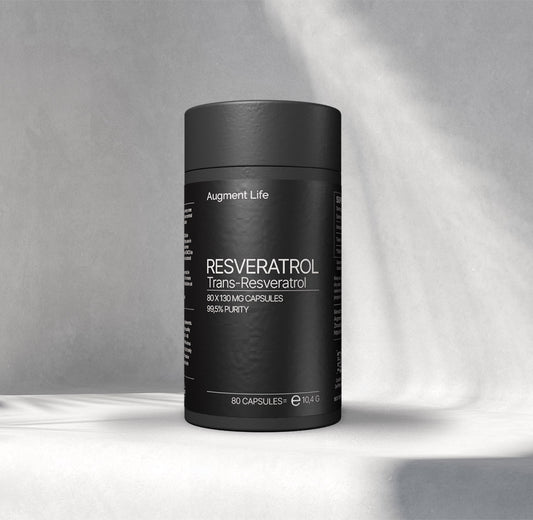
Resveratrol
Resveratrol has antioxidant, anti-inflammatory, and neuroprotective effects; therefore, it can help protect against diverse chronic diseases, including Alzheimer’s disease (20).
Its antioxidant properties protect brain cells and other components of cells from oxidative damage. Resveratrol also helps reduce brain inflammation by providing a protective lining for blood vessels and preventing insult or injury.
Learn more about resveratrol from our articles:
Take a look at the resveratrol available at Augment Life Shop:
Curcumin
Curcumin is the biologically active compound in turmeric. Research suggests that bioavailable curcumin offers therapeutic benefits across different stages and causes of cognitive decline, improving working memory and preventing neurodegeneration (21).
Learn more about curcumin from our articles:
You can explore the curcumin available at Augment Life Shop here:
Nicotinamide Riboside (NR)
The brain is one of the most energy-demanding organs, and neurons rely on the energy produced by mitochondria to communicate with one another. When mitochondrial activity is impaired, neurons do not have the energy required to function properly.
NR (a member of the vitamin B3 family) supplementation can enhance mitochondrial function, leading to increased energy production and improved overall cellular health.
NR supplementation may contribute to genomic stability by facilitating efficient DNA repair mechanisms, thus potentially slowing the aging process and extending healthspan.
You can learn more about nicotinamide riboside in our previous article:
Take a look at the nicotinamide riboside available at Augment Life Shop:
The Future of Brain Health
Wearable technologies and advanced early warning systems are creating a revolution in brain health.
Wearable technology includes sensors embedded in smartwatches, glasses, wristbands, headbands, or clothing, which can be easily worn on the body. These devices monitor numerous biometric data points—such as brain waves, heart rate, sleep patterns, movement, and even body temperature—in real time.
These technologies collect data in cloud-based systems and analyze it using advanced algorithms. As a result, the first signals of disease risk can be detected before clinical symptoms emerge.
Alzheimer’s disease can be detected early through signs such as early-stage memory loss, changes in daily routines, and sleep disturbances.
Neuro-Regenerative Strategies
In recent years, bioactive peptides and neurotrophic factors, including brain-derived neurotrophic factor (BDNF), nerve growth factor (NGF), irisin, and melatonin, have been discovered to exert neuroprotective functions for Alzheimer’s disease (22).
Targeting mitochondrial function is a promising strategy for developing new treatments for Alzheimer’s. Dysfunctional mitochondria in Alzheimer’s disease contribute to reduced energy production, oxidative stress, calcium imbalances, protein aggregation, and inflammation.
Conclusion
Even though the exact cause of Alzheimer’s remains unknown, there are risk factors that can lead to the development of dementia.
Alzheimer’s risk is shaped by genetics, environment, and behaviour. We can actively influence two of those three—environment and behaviour—to reduce risk by up to 60%.
It’s never too late to protect your brain health. Brain health starts with awareness—of risk factors, of potential actions, and possibilities.
We have a powerful tool that can help protect our brain health: our daily behaviours.
Much more of our brain health is in our hands than we once believed—and the sooner we act on that truth, the better.
Literature sources:
- Dhana K, Evans DA, Rajan KB, Bennett DA, Morris MC. Healthy lifestyle and the risk of Alzheimer dementia: findings from 2 longitudinal studies. Neurology. 2020 Jul 28;95(4):e374-e383. doi:10.1212/WNL.0000000000009816. Epub 2020 Jun 17. PMID: 32554763; PMCID: PMC7455318.
- Baker LD, Espeland MA, Whitmer RA, et al. Structured vs self-guided multidomain lifestyle interventions for global cognitive function: the US POINTER randomized clinical trial. JAMA. 2025;334(8):681-691. doi:10.1001/jama.2025.12923.
- Bender E. Early detection of cognitive deterioration through artificial intelligence. Healthy Aging Res. 2025;14:230. Available from: https://www.longdom.org/articles/early-detection-of-cognitive-deterioration-through-artificial-intelligence-1103521.html
- Sharafeldeen A, Keowen J, Shaffie A. Machine learning approaches for speech-based Alzheimer’s detection: a comprehensive survey. Computers. 2025;14(2):36. doi:10.3390/computers14020036.
- Solomon A, Turunen H, Ngandu T, Peltonen M, Levälahti E, Helisalmi S, Antikainen R, Bäckman L, Hänninen T, Jula A, Laatikainen T, Lehtisalo J, Lindström J, Paajanen T, Pajala S, Stigsdotter-Neely A, Strandberg T, Tuomilehto J, Soininen H, Kivipelto M. Effect of the Apolipoprotein E genotype on cognitive change during a multidomain lifestyle intervention: a subgroup analysis of a randomized clinical trial. JAMA Neurol. 2018 Apr 1;75(4):462-470. doi: 10.1001/jamaneurol.2017.4365. PMID: 29356827; PMCID: PMC5885273.
- Wang J, Chen C, Zhou J, et al. Integrated healthy lifestyle even in late-life mitigates cognitive decline risk across varied genetic susceptibility. Nat Commun. 2025;16:539. doi:10.1038/s41467-024-55763-0.
- Sanaeifar F, Pourranjbar S, Pourranjbar M, Ramezani S, Rostami Mehr S, Wadan AH, Khazeifard F. Beneficial effects of physical exercise on cognitive-behavioural impairments and brain-derived neurotrophic factor alteration in the limbic system induced by neurodegeneration. Exp Gerontol. 2024;195:112539. doi:10.1016/j.exger.2024.112539
- Xie L, Kang H, Xu Q, Chen MJ, Liao Y, Thiyagarajan M, O'Donnell J, Christensen DJ, Nicholson C, Iliff JJ, Takano T, Deane R, Nedergaard M. Sleep drives metabolite clearance from the adult brain. Science. 2013 Oct 18;342(6156):373-7. doi: 10.1126/science.1241224. PMID: 24136970; PMCID: PMC3880190.
- Dighriri IM, Alsubaie AM, Hakami FM, Hamithi DM, Alshekh MM, Khobrani FA, Dalak FE, Hakami AA, Alsueaadi EH, Alsaawi LS, Alshammari SF, Alqahtani AS, Alawi IA, Aljuaid AA, Tawhari MQ. Effects of Omega-3 Polyunsaturated Fatty Acids on Brain Functions: A Systematic Review. Cureus. 2022 Oct 9;14(10):e30091. doi: 10.7759/cureus.30091. PMID: 36381743; PMCID: PMC9641984.
- Ali SS, Ahsan H, Zia MK, Siddiqui T, Khan FH. Understanding oxidants and antioxidants: Classical team with new players. J Food Biochem. 2020 Mar;44(3):e13145. doi: 10.1111/jfbc.13145. PMID: 31960481.
- De Camargos LG, Silva M, Pereira R, Almeida T, Sousa F, Rodrigues A. Wearables and medical devices: impact on self-care and monitoring of chronic diseases. Lumen Et Virtus. 2025;16(46):1644-1656. doi: 10.56238/levv16n46-004.
- Kuiper JS, Zuidersma M, Oude Voshaar RC, Zuidema SU, van den Heuvel ER, Stolk RP, Smidt N. Social relationships and risk of dementia: a systematic review and meta-analysis of longitudinal cohort studies. Ageing Res Rev. 2015;22:39-57. doi: 10.1016/j.arr.2015.04.006.
- Fekete M, Lehoczki A, Tarantini S, Fazekas-Pongor V, Csípő T, Csizmadia Z, Varga JT. Improving cognitive function with nutritional supplements in aging: a comprehensive narrative review of clinical studies investigating the effects of vitamins, minerals, antioxidants, and other dietary supplements. Nutrients. 2023 Dec 15;15(24):5116. doi: 10.3390/nu15245116. PMID: 38140375; PMCID: PMC10746024.
- Zhang C, Hu Q, Li S, Dai F, Qian W, Hewlings S, Yan T, Wang Y. A Magtein®, magnesium L-threonate-based formula improves brain cognitive functions in healthy Chinese adults. Nutrients. 2022;14(24):5235. doi: 10.3390/nu14245235.
- Alateeq K, Walsh EI, Cherbuin N. Dietary magnesium intake is related to larger brain volumes and lower white matter lesions with notable sex differences. Eur J Nutr. 2023 Aug;62(5):2039-2051. doi: 10.1007/s00394-023-03123-x. Epub 2023 Mar 10. PMID: 36899275; PMCID: PMC10349698.
- Hausenblas HA, Lynch T, Hooper S, Shrestha A, Rosendale D, Gu J. Magnesium-L-threonate improves sleep quality and daytime functioning in adults with self-reported sleep problems: a randomized controlled trial. Sleep Med X. 2024;8:100121. doi: 10.1016/j.sleepx.2024.100121. Erratum in: Sleep Med X. 2025;9:100141. doi: 10.1016/j.sleepx.2025.100141.
- Candow DG, Forbes SC, Ostojic SM, et al. “Heads up” for creatine supplementation and its potential applications for brain health and function. Sports Med. 2023;53(Suppl 1):49-65. doi: 10.1007/s40279-023-01870-9.
- Lewis JE, Poles J, Shaw DP, Karhu E, Khan SA, Lyons AE, Sacco SB, McDaniel HR. The effects of twenty-one nutrients and phytonutrients on cognitive function: A narrative review. J Clin Transl Res. 2021 Aug 4;7(4):575–620. Available from: https://pmc.ncbi.nlm.nih.gov/articles/PMC8445631/
- Valotto Neto LJ, Reverete de Araujo M, Moretti Junior RC, Machado NM, Joshi RK, dos Santos Buglio D, Barbalho Lamas C, Direito R, Fornari Laurindo L, Tanaka M, et al. Investigating the neuroprotective and cognitive-enhancing effects of Bacopa monnieri: a systematic review focused on inflammation, oxidative stress, mitochondrial dysfunction, and apoptosis. Antioxidants. 2024;13(4):393. doi:10.3390/antiox13040393.
- Meng X, Zhou J, Zhao CN, Gan RY, Li HB. Health benefits and molecular mechanisms of resveratrol: a narrative review. Foods. 2020;9(3):340. doi:10.3390/foods9030340.
- Francis AJ, Sreenivasan C, Parikh A, AlQassab O, Kanthajan T, Pandey M, Nwosu M. Curcumin and cognitive function: a systematic review of the effects of curcumin on adults with and without neurocognitive disorders. Cureus. 2024 Aug 25;16(8):e67706. doi:10.7759/cureus.67706.
- Wei M, Wu T, Chen N. Bridging neurotrophic factors and bioactive peptides to Alzheimer’s disease. Ageing Res Rev. 2024 Feb;94:102177. doi:10.1016/j.arr.2023.102177.